
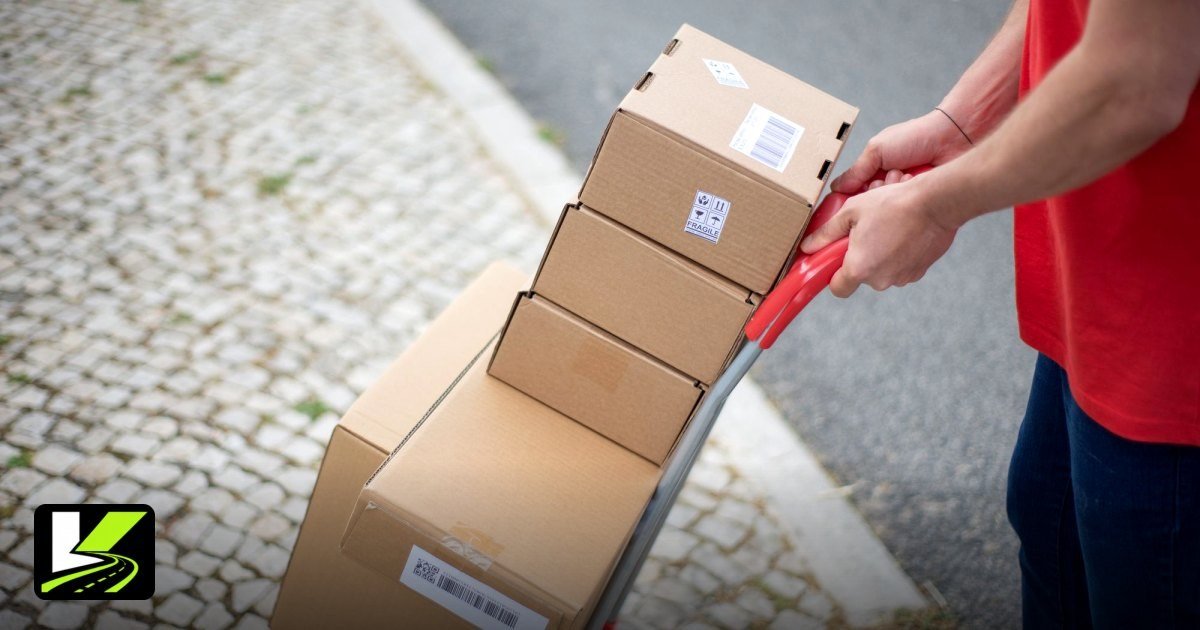
Summer in the UAE is hard on beauty products, and small sellers often discover this only after a customer sends a photo of a melted lipstick. This guide explains how heat affects cosmetics, how to pack and hand over parcels sensibly, and what to confirm with your courier. If you are shipping cosmetics UAE heat is the variable you cannot control, so your packing, timing and communication have to do the work.
Heat is the biggest hidden risk for cosmetics in a UAE summer
Most sellers think about breakage first, but in summer the more common problem is temperature. A parcel can sit in a warm hallway, a parked vehicle, a hot lift lobby or a sun-facing doorstep long before it reaches the customer. Even if each stage is short, the heat accumulates inside a sealed cardboard box, which acts a little like a small oven.
Heat damages cosmetics in several ways. Waxes and butters soften and then reset in a different shape, emulsions in creams and lotions can separate, oils can turn rancid sooner, and pigments may bleed or change texture. Some formulas never fully recover once they have melted and cooled again, even if the product looks acceptable at first glance.
There is also a trust issue. Customers who open a parcel and find a soft, oily or leaking product rarely blame the weather. They blame the brand, post a complaint or ask for a refund. For a small online seller built on repeat orders and word of mouth, preventing the problem is much cheaper than repairing the reputation.
The practical approach is to think about the whole chain: how the product is stored before packing, how it is packed, how long it waits for pickup, how it travels and what the customer does on receiving it. Each of those steps is one you can improve with simple habits.
Know which of your products are heat-sensitive before you ship
Not every item in your catalogue needs the same level of protection. Sorting products into groups lets you pack sensibly without wasting money on protective material that is not needed. When you plan shipping cosmetics UAE heat exposure should be the first thing you grade each product on.
The table below is a general guide. Your own supplier or manufacturer is the best source of storage advice for each formula, so check the label and the product data sheet.
| Product type | Main heat risk | Sensible packing approach |
|---|---|---|
| Lipsticks, lip balms and solid perfumes | Softening, bending, sweating and loss of shape | Upright in a firm box, insulated outer layer, avoid pressure |
| Creams, lotions and serums | Separation, leaking, changed texture | Tightly sealed, inner bag, insulated mailer, leak-proof padding |
| Sunscreens and oils | Reduced performance, spoilage, leaking | Sealed in a bag, cushioned, kept out of sun at handover |
| Perfumes and nail polish | Pressure build-up, formula change, regulatory limits | Padded, upright, check courier rules before sending |
| Powders and palettes | Mostly breakage, with pans sometimes affected by heat | Rigid box and padding, protect from crushing |
If you make products yourself, such as handmade soaps, balms or natural skincare, pay particular attention to your ingredients. Natural butters, waxes and plant oils are popular with customers but are often the first to react to warmth.
It is also worth deciding which products you will simply not ship during the hottest part of summer. Some sellers pause the most delicate items, offer them only for collection, or rename them as seasonal. Being honest with customers about this is better than sending something that arrives damaged.
Pack heat-sensitive cosmetics in layers, not just in a box
Good packing for hot weather is about slowing the transfer of heat and protecting against leaks at the same time. Think of three layers: a sealed primary container, a protective inner layer and an insulated outer layer.
Start with a properly sealed primary container
Check that every cap, pump and lid is tight, and consider adding a seal or a thin film under the cap for liquids. Place each liquid or cream in its own small sealable bag, so that a leak does not spread to the rest of the order or to the box.
Add padding that also insulates
Corrugated card, bubble wrap and paper fill give protection against knocks, and the trapped air also slows heat transfer slightly. Avoid leaving empty space, because loose products move and rub, but do not pack so tightly that you press on soft products. Where the product is delicate, an insulated mailer or a foil-lined pouch adds another barrier.
Use cool packs carefully, if at all
A cool pack can help with very sensitive formulas, but it needs care. Wrap it so it does not touch the products directly, make sure it cannot leak, and avoid condensation soaking the label or the outer box. Test a full sample parcel yourself first, leaving it in a warm place for a while, then open it and examine the products. If you cannot control what happens to the pack, a good insulated mailer without a cool pack may be the more reliable choice.
Label and close the parcel clearly
Use a strong tape and a clear label with the customer's name, phone number and a precise address, and add a note such as "keep cool, avoid direct sun" on the outside. A visible note helps handlers treat the parcel with a little more care, although it is only a request and not a guarantee of how it will be handled.
For a wider look at packing fragile and perishable parcels, including padding choices and protective materials, build a small standard kit that you use for every order and keep adjusting it as you learn.
Plan the handover so parcels do not wait in the heat
Many heat problems happen before the courier even arrives. A parcel left near a window, on a balcony or by the front door for hours is exposed to warmth you could have avoided.
Pack orders close to the time of pickup, and keep products and packed parcels in the coolest air-conditioned room of your home or studio until the handover. Do not store stock in a garage, a storage unit without cooling or the boot of a car. If you pack the night before, keep the parcels inside rather than near an exterior door.
When you book a rider or a pickup, tell the courier that the parcel contains temperature-sensitive cosmetics, so the information is on record. Ask what you can reasonably expect, such as whether insulated bags are used, how parcels are handled during the day and how long you should keep the order ready. Koriyar works with small online sellers, and the best way to learn which options and areas apply to your products is to speak to the team through koriyar.com before you launch a summer promotion.
Think about the customer's side as well. Share the expected collection arrangement, and ask them to be reachable so the parcel is not left waiting at a door or with a neighbour. A short WhatsApp message confirming the address and a convenient moment to receive the order reduces the time a parcel spends exposed.
Check courier rules, restrictions and documents before you promise anything
Cosmetics look harmless, but some of them fall into categories that couriers treat with caution. Aerosols, some alcohol-based perfumes, nail polish and other flammable or pressurised items may be restricted or need special handling. Rules differ between couriers and can change, so never assume.
Before you list a product for delivery, ask the courier directly whether it accepts the product category, whether any packaging requirements apply and whether there are limits on size, weight or liquid volume. Keep the answers in writing, such as a WhatsApp message or an email, so you can refer back to them.
If you sell imported brands, keep your supplier invoices and product information handy. Authorities or couriers may occasionally ask what a parcel contains, and being able to describe it clearly avoids delays. For international sales, customs rules apply and are the responsibility of the sender, so confirm the current requirements with the courier and the relevant authority instead of relying on memory or on another seller's advice.
Finally, remember labelling. Cosmetics sold to consumers usually need clear ingredient and batch information, and if you are a home-based seller you should check what your trade licence and local requirements say about the products you handle. Where you are unsure, ask the relevant authority rather than guessing.
The checklist below pulls together the points to confirm before each summer shipment:
- Product group identified as sensitive, moderate or robust.
- All caps and pumps sealed, with liquids in individual bags.
- Insulated outer layer used, with a wrapped cool pack only if tested.
- Parcel stored in air conditioning until the moment of handover.
- Courier told about the contents and restrictions checked in writing.
- Photos of the packed parcel and the label saved with the order record.
- Customer informed about expected collection and storage advice.
Handle cash on delivery, proof and customer expectations with care
Heat-sensitive products raise the stakes on the customer experience, because the product itself may be affected if the delivery does not go smoothly. Planning the payment and communication side helps you avoid disputes.
Set clear rules for cash payments
Many customers like cash on delivery for beauty orders, but a refused parcel is more costly when the products cannot be resold because they have spent hours in the heat. Confirm the order by phone or WhatsApp before dispatch, check the address and make sure the customer will be available. Be clear in your listing about what happens if a parcel is refused, and be consistent in applying the policy.
Record how the parcel was handed over
Always keep a clear proof of delivery, because it protects both you and the customer. It shows the parcel reached the right person and when, and it helps you investigate if a customer later says the product was damaged. Combine it with your own photos of the sealed parcel before handover, and keep both with the order record.
Set honest expectations in your listing
Say plainly in your product page and your order confirmation that some items are sensitive to heat and need careful storage on arrival. Ask customers not to leave the parcel in a hot car or in the sun, and include a small insert explaining how to store the product once opened. Clear communication turns a possible complaint into a customer who understands that you took care.
Handle complaints calmly and with evidence
If a customer reports a melted or leaking product, ask for photos of the item, the packaging and the label. Compare them with your own packing photos and your record. Offer a fair solution according to your published policy, and use what you learn to improve your packing for the next batch.
Verdict: build a simple, repeatable summer routine
You cannot change the UAE summer, but you can change how your products meet it. Sellers who protect their cosmetics well tend to do four things consistently: they know which products are sensitive, they pack in layers, they keep parcels cool until handover, and they communicate clearly with the courier and the customer.
Start small. Choose your three most vulnerable products, create a standard packing method for each, send a test parcel to a friend or a colleague, and check the result. Adjust the materials, keep notes and photographs, and only then promote those products more widely.
Be careful about the promises you make. Courier availability, handling and service options change, and no packing method works for every product in every condition. Confirm what is available for your parcels with Koriyar through koriyar.com, tell customers honestly what to expect and adjust your range when the weather is at its hardest. A reputation for products that arrive in good condition is worth far more than a single summer sale.
Frequently Asked Questions
Which cosmetics are most likely to be damaged by summer heat?
Products with waxes, butters, natural oils or water-based formulas are the most vulnerable, including lipsticks, lip balms, creams, lotions and sunscreens. Perfumes and nail polish also deserve extra care because heat can change the formula and pressure inside the bottle.
Should I put an ice pack inside a cosmetics parcel?
A cool pack can help for very sensitive products, but it should never touch the product directly and it must not leak or cause condensation damage. Wrap the pack, separate it from the products with a barrier and test the full package yourself first.
Can I send perfumes and aerosols through a courier?
Many couriers restrict or refuse aerosols and some alcohol-based items because they are pressurised or flammable. Confirm the rules for your product with Koriyar before you promise a customer that it can be sent.
How do I prove that a parcel was handled properly?
Photograph the product and the packing before sealing, keep your order record and use the proof of delivery provided by the courier. These records help you resolve any dispute calmly with the customer.
What should I tell customers who receive cosmetics in hot weather?
Ask them to collect the parcel promptly, keep it out of direct sun and avoid leaving it in a hot car or on a sunny doorstep. Include a short care note in the box so they know how to store the products.