
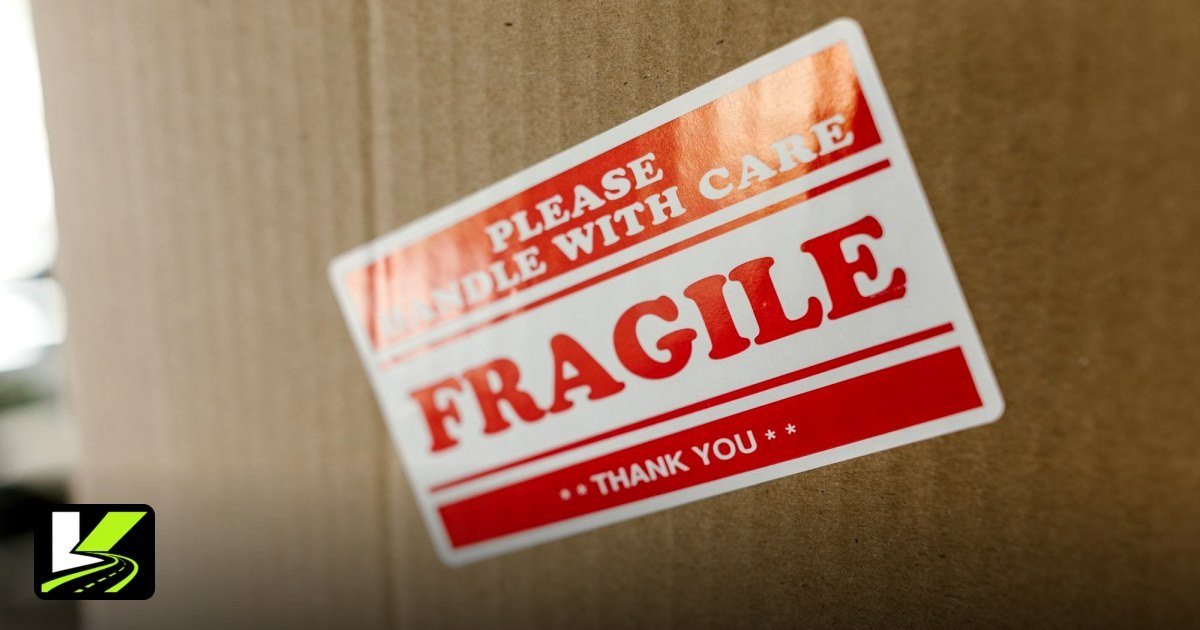
Running a small online shop in Dubai, Sharjah or Ajman means you have to balance speed with care. When a customer orders a delicate item such as a candle, a piece of ceramics or a perfume bottle, the way you pack it can be the difference between a glowing review and a costly return. Below we explore why proper packaging is essential and the specific hazards each product type presents, so you can ship confidently with Koriyar’s same‑day service.
Why Proper Packaging Matters for Fragile Items
First impressions count in e‑commerce, and the condition of a parcel on arrival is the final touchpoint of the buying experience. A well‑packed parcel protects the product from the inevitable jostles of handling, while also safeguarding your brand’s reputation. For small businesses, a single damaged shipment can erode trust, generate negative feedback, and increase operational costs through refunds and replacements.
Beyond customer perception, proper packaging aligns with Koriyar’s service standards. Our couriers handle parcels quickly across Dubai, Sharjah and Ajman, but the rapid movement means parcels experience sudden accelerations, decelerations and occasional drops. Using the right cushioning and structural support reduces the risk of breakage during these moments.
There are three practical benefits to investing time in robust packaging:
- Reduced damage rates: Appropriate materials absorb shocks and distribute forces evenly, dramatically lowering the chance of cracks, leaks or break‑outs.
- Lower return costs: Fewer damaged items mean fewer refunds, less time spent on customer service, and a healthier bottom line.
- Enhanced brand image: Consistently arriving in perfect condition builds confidence, encouraging repeat purchases and word‑of‑mouth referrals.
When you choose packaging, think of it as a three‑layer defence:
- Outer shell: A sturdy, corrugated box sized to leave room for cushioning but not so large that the item can shift excessively.
- Cushioning layer: Materials such as bubble wrap, foam peanuts or recyclable paper that absorb impact.
- Inner support: Dividers, tissue paper or custom inserts that keep each component stationary.
For small sellers, the challenge is to achieve this protection without inflating shipping weight. Selecting lightweight yet resilient materials—like double‑wall corrugated boxes paired with air‑pouch cushions—strikes the right balance between safety and cost‑effectiveness. Remember, a well‑packed parcel not only arrives intact but also reflects the professionalism of your business.
Understanding the Risks: Candles, Ceramics and Perfume
Each fragile product category carries its own set of vulnerabilities. Recognising these helps you choose the most suitable packaging solutions and handling instructions for Koriyar’s couriers.
| Product | Primary Risk | Key Packaging Solution |
|---|---|---|
| Candles (wax & glass) | Heat‑sensitive wax softening, glass breakage, surface scratches | Use insulated liners, double‑wall boxes, and bubble wrap around the glass holder; separate from direct sunlight before dispatch. |
| Ceramics (vases, plates) | Impact fractures, chipping at edges, pressure points | Wrap each piece in tissue paper, then bubble wrap; place in a compartmentalised box with foam inserts to prevent movement. |
| Perfume (glass bottles) | Leakage, breakage, pressure changes affecting fragrance | Seal bottles in zip‑lock bags, cushion with air‑pouch or foam, and position upright in a rigid box with dividers. |
Candles are particularly vulnerable to temperature fluctuations. In the UAE’s summer heat, wax can soften, causing the candle to deform or the container to warp. To mitigate this, pack candles in a double‑wall box and include a thin layer of thermal insulation—such as a recyclable foil sheet—between the candle and the outer box. Ensure the glass holder is wrapped in at least two layers of bubble wrap, and avoid placing heavy items on top of the parcel.
Ceramics demand meticulous handling because a single impact can shatter a piece. Start by wrapping each item in acid‑free tissue to protect delicate glazes, then encase it in bubble wrap. For sets, use a compartmentalised box with individual slots, or create custom cardboard dividers. Fill any remaining voids with biodegradable packing peanuts to prevent shifting during transit.
Perfume bottles pose a dual threat: they can break and they can leak, potentially damaging other parcels. Seal each bottle in a resealable plastic bag to contain any accidental spillage. Follow this with a layer of bubble wrap, then place the wrapped bottle in a rigid, upright position inside a box that has a separate compartment for other items. Adding a small piece of cardboard at the base helps keep the bottle stable.
By tailoring your packaging to the specific risks of candles, ceramics and perfume, you not only protect the product but also demonstrate a professional approach that resonates with discerning shoppers across Dubai, Sharjah and Ajman.
Choosing the Right Protective Materials
For small online sellers operating in Dubai, Sharjah and Ajman, the choice of protective materials can make the difference between a delighted customer and a costly return. When dealing with fragile items such as candles, ceramics and perfume bottles, the aim is to create a cushion that absorbs shocks, prevents movement, and guards against temperature fluctuations that are common in the Gulf climate.
- Bubble wrap (air‑filled polyethylene): Opt for 3‑mm thickness for candles and perfume bottles, and 5‑mm for delicate ceramics. The larger air pockets provide superior impact resistance, while the thin film allows you to wrap tightly without adding excessive bulk.
- Foam sheets and corner protectors: High‑density polyethylene foam sheets are ideal for lining the interior of a box. For ceramics, use pre‑moulded foam corners that fit snugly around the edges of plates, mugs or vases, creating a “cage” that stops the item from hitting the box walls.
- Corrugated cardboard inserts: Double‑wall corrugated sheets can be cut to size and placed between layers of wrapped product. They add rigidity to the outer packaging and help distribute any impact across a larger surface area.
- Air pillows or kraft paper peanuts: These lightweight fillers are perfect for filling voids around irregularly shaped items such as scented candles in decorative tins. They compress under pressure, absorbing shocks while keeping the parcel’s weight low.
- Sealable, moisture‑resistant poly bags: Perfume bottles are vulnerable to condensation, especially during the cooler evenings of winter. A zip‑lock poly bag provides a barrier against humidity and also prevents any accidental leakage from contaminating other items.
- Thermal insulation liners: In the summer months, extreme heat can affect the wax of candles and the fragrance of perfumes. A thin layer of reflective foil or insulated bubble wrap can help maintain a more stable internal temperature during the short transit time of same‑day delivery.
When selecting these materials, consider the balance between protection and cost. Bulk purchasing from local suppliers in the UAE often yields better pricing, and many suppliers offer recyclable options that align with the growing consumer demand for sustainable packaging. Remember to keep a small inventory of each material on hand; this reduces the time spent searching for the right component when an order arrives, ensuring that your same‑day dispatch promise remains intact.
Step‑by‑Step Packing Process for Each Product Type
Below is a practical, repeatable workflow that small sellers can adopt for candles, ceramics and perfume bottles. The steps are designed to fit within the typical 30‑minute packing window required for Koriyar’s same‑day parcel service.
Candles (including scented and decorative varieties)
- Place the candle on a clean, flat surface and wrap it in a single layer of 3‑mm bubble wrap, securing the ends with a small piece of packing tape.
- Insert a piece of double‑wall corrugated cardboard cut to the candle’s length, positioned lengthwise alongside the wrapped candle.
- Fill the remaining space in the box with air pillows, ensuring the candle does not shift when the box is gently shaken.
- Seal the box with reinforced packing tape, and label it clearly as “Fragile – Handle with Care”.
Ceramics (plates, mugs, small vases)
- Wrap each ceramic piece individually in 5‑mm bubble wrap, overlapping the edges to create a continuous cushion.
- Apply foam corner protectors to the most vulnerable corners; for plates, place a corner protector on each of the four edges.
- Lay a sheet of high‑density foam at the bottom of a double‑wall box, then place the wrapped item on top.
- Cover the item with another foam sheet, and fill any gaps with kraft paper peanuts to prevent movement.
- Close the box, reinforce all seams with tape, and affix a “Fragile” sticker on each side.
Perfume Bottles (glass, spray or roll‑on)
- Enclose the bottle in a sealable poly bag to protect against moisture and potential leakage.
- Wrap the bagged bottle in 3‑mm bubble wrap, paying particular attention to the neck and spray nozzle.
- Place a pre‑cut foam insert (or a custom‑cut piece of corrugated cardboard) around the wrapped bottle to create a snug “cage”.
- Position the caged bottle in the centre of a double‑wall box, then fill all voids with air pillows.
- Seal the box, apply a “Fragile – Keep Upright” label, and add a small note reminding the recipient to store the perfume away from direct sunlight.
By following these steps consistently, you’ll minimise the risk of breakage while keeping your packaging process efficient enough to meet Koriyar’s same‑day delivery expectations across Dubai, Sharjah and Ajman.
Labelling and Handling Instructions for Couriers
Clear labelling is the first line of defence against damage, especially when you are shipping candles, ceramics or perfume bottles that can break or leak under rough handling. Begin by affixing a bold, colour‑coded label that states “FRAGILE – HANDLE WITH CARE” in large, sans‑serif type. Use a contrasting background – for example, white text on a bright orange sticker – so the message stands out even at a distance. Below the main warning, include a brief description of the contents, such as “Glass perfume bottle – 50 ml” or “Hand‑poured soy candle – 200 g”. This helps couriers understand the specific risks involved.
In addition to the primary label, attach a secondary “THIS SIDE UP” sticker on the side of the parcel that should remain upright. For candles, the label should indicate “KEEP FLAT” to prevent the wax from shifting and cracking. For ceramic items, a “DO NOT STACK” notice is advisable, as stacking can exert pressure on delicate edges. When shipping perfume, a “LEAK‑PROOF – DO NOT TIP” tag alerts handlers to keep the parcel level and avoid sudden movements that could cause spillage.
When preparing the waybill, select the “fragile” service option if the courier platform offers it. This often triggers additional training for the driver and may result in the parcel being placed in a dedicated compartment rather than mixed with heavy goods. If the system does not have a specific fragile flag, add a note in the special instructions field reiterating the handling requirements.
- Colour coding: orange for candles, teal for ceramics, violet for perfume.
- Label placement: at least two opposite sides of the box, each at least 5 cm from the edge.
- Additional stickers: “THIS SIDE UP” and “DO NOT STACK” where appropriate.
- Waybill notes: repeat the handling instructions verbatim.
Finally, communicate directly with the courier’s local hub in Dubai, Sharjah or Ajman. A short phone call or a WhatsApp message confirming that the parcel is marked as fragile can reduce the chance of it being mishandled during the sorting process. Keep a simple log of these communications – date, time, courier contact and any reference number – so you can follow up if a problem arises. By combining visual cues, written instructions and proactive communication, small sellers can significantly lower the risk of breakage and maintain the reputation of their brand.
Cost‑Effective Practices for Small Businesses
Packaging fragile items does not have to drain a tight budget. The key is to use readily available, reusable materials and to adopt a systematic approach that minimises waste while maximising protection. Start with the box itself: a single‑wall corrugated cardboard box of the appropriate size is usually sufficient for candles, ceramics and perfume. Choose a box that leaves a 2‑3 cm gap on all sides after the product is placed inside; this gap will be filled with cushioning material, reducing the need for oversized packaging.
Reusable cushioning options are both economical and environmentally friendly. Crumpled kraft paper, recycled newspaper, or shredded cardboard can be sourced from office waste or local recycling centres at little or no cost. For added resilience, layer a thin sheet of bubble wrap (approximately 3 mm thick) around each item before surrounding it with the loose filler. This combination provides a “soft‑shell” that absorbs shocks without the expense of heavy-duty foam.
When dealing with perfume bottles, an extra barrier against leakage is essential. Place each bottle in a small zip‑lock bag, then wrap it in a single layer of bubble wrap. Seal the outer parcel with a waterproof tape strip to guard against moisture that could compromise the seal. For candles, especially those with a glass base, insert a thin cardboard disc between the wax and the glass to prevent direct impact on the fragile surface.
| Material | Typical Cost (per unit) | Reusability |
|---|---|---|
| Single‑wall corrugated box | Low – bulk purchase reduces price | Yes, with careful inspection |
| Kraft paper filler | Negligible – often free | No (single‑use) |
| Bubble wrap (3 mm) | Moderate – reusable if stored dry | Yes |
| Zip‑lock bag (small) | Very low – bought in bulk | No |
Another cost‑saving tip is to standardise packaging kits for each product category. Assemble a “candle kit” that includes a pre‑cut cardboard insert, a roll of kraft paper and a pre‑measured bubble wrap strip. Store these kits in a labelled drawer so staff can quickly assemble parcels without measuring each time. This reduces labour time and eliminates material waste caused by over‑cutting.
Finally, track your packaging expenses monthly. Record the quantity of each material used and compare it against the number of parcels shipped. Small adjustments – such as switching from a 5 mm to a 3 mm bubble wrap layer when data shows no increase in breakage – can shave a noticeable amount off your operating costs without compromising safety. By embracing reusable fillers, standardised kits and diligent cost monitoring, Dubai‑based small sellers can protect fragile goods while keeping their bottom line healthy.
Verdict: Reliable Packaging for Stress‑Free Same‑Day Delivery
For small online sellers operating in Dubai, Sharjah and Ajman, the difference between a five‑star review and a costly return often hinges on how well a fragile item is packed. When you partner with Koriyar for same‑day delivery, the last thing you want is a shattered candle, a cracked ceramic piece or a leaking perfume bottle to undermine the speed of your service. The good news is that reliable packaging does not require a warehouse‑scale operation; a few thoughtful steps, the right materials and a clear checklist can turn every dispatch into a stress‑free experience.
First, understand that the primary enemy of fragile parcels is movement. Even a short jolt on a bustling city road can cause a delicate product to shift, and once it moves, the protective layers are compromised. By creating a snug “cushion‑in‑a‑cushion” system – where the item is surrounded by a primary protective layer, then placed in a secondary container that limits any internal motion – you dramatically reduce the risk of damage. This approach works equally well for a wax candle in a glass jar, a hand‑painted ceramic vase, or a perfume bottle with a spray nozzle.
Second, consider the environment of the parcel. The hot, humid climate of the UAE can affect packaging adhesives and cause certain foams to lose rigidity if left in direct sunlight for extended periods. Store your packing supplies in a cool, shaded area and opt for materials that retain their protective qualities under temperature fluctuations, such as double‑wall corrugated boxes and high‑density polyethylene bubble wrap.
Third, the visual presentation matters. A well‑packed parcel not only protects the product but also reinforces your brand’s professionalism. Use branded tissue paper or a thin layer of kraft to separate the product from the outer box, and seal the package with a clear, tamper‑evident tape. This small touch signals to the recipient that you have taken care at every stage, encouraging repeat purchases.
Finally, a quick checklist can help you maintain consistency across every order, even as your business scales:
- Choose a box that is at least 2‑3 cm larger than the item on all sides.
- Wrap the product in a minimum of two layers of bubble wrap, securing each layer with tape.
- Place a layer of packing peanuts or crumpled kraft paper at the bottom of the box.
- Position the wrapped item in the centre, ensuring at least 2 cm of clearance to each side.
- Fill all remaining voids with additional peanuts, paper or air pillows.
- Seal the box with reinforced tape, and label it clearly with the Koriyar shipping sticker.
By following these guidelines, you can confidently promise same‑day delivery without the anxiety of breakages. Koriyar’s network of couriers is trained to handle parcels with care, but the first line of defence is always the packaging you apply. When every candle arrives intact, every ceramic piece stands proud, and every perfume bottle remains sealed, your customers will associate speed with reliability – the perfect combination for thriving in the competitive e‑commerce landscape of Dubai, Sharjah and Ajman.
Frequently Asked Questions
How can I protect a candle during same‑day delivery?
Wrap the candle in bubble wrap, place it in a sturdy cardboard box, and fill any gaps with packing peanuts or crumpled paper to prevent movement.
What is the best way to pack fragile ceramics for a small parcel?
Use double layers of bubble wrap, a corrugated inner box, and reinforce the outer box with tape; add cushioning around each piece.
Can perfume bottles be shipped without breaking?
Yes, by sealing the bottle in a leak‑proof bag, wrapping it in bubble wrap, and surrounding it with cushioning material inside a rigid box.
Do I need special labelling for fragile parcels in Dubai?
A clear ‘Fragile – Handle with Care’ label on at least two sides of the box helps couriers identify delicate items quickly.
How much extra weight does protective packaging add?
Protective materials typically add a modest amount of weight—often a few hundred grams per item—so factor this into your same‑day delivery cost calculations.