
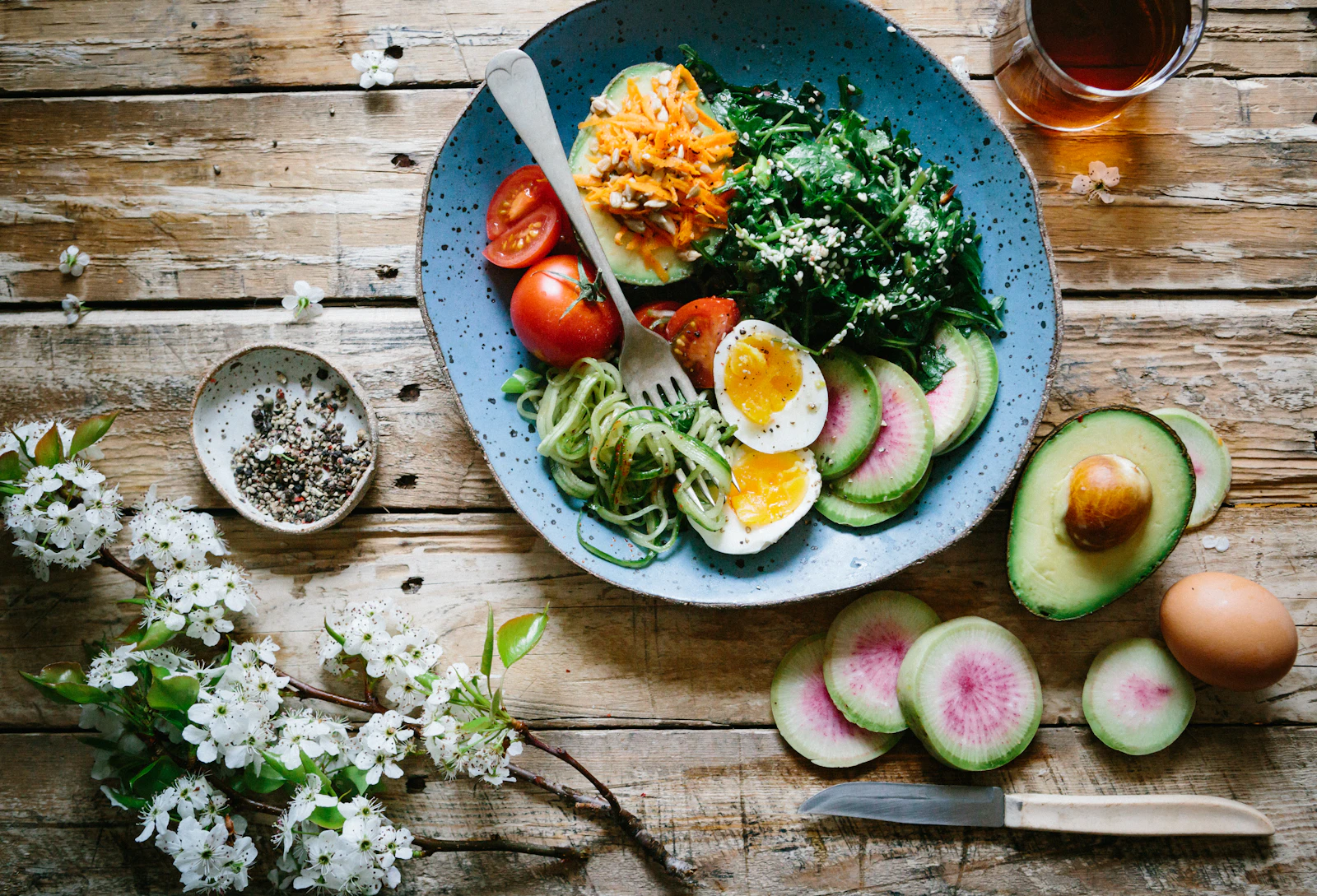
If you sell cooked meals, tiffins, or meal-prep boxes from your Dubai kitchen, delivery is not optional — and it is not the same problem as delivering clothing or candles. Cooked food has a hard freshness window, a refused COD order means food in the bin, and every extra hour in a 45°C delivery van degrades what you spent hours preparing. The short answer: use a 12 PM order cutoff, send a pre-delivery WhatsApp confirmation to every customer, pack in insulated bags, and switch to batched daily pickup once you hit six or more orders per day — that alone cuts your per-drop cost from AED 22–28 to AED 10–16.
Why Delivering Cooked Food Is a Different Problem
Thousands of licensed home-based food businesses operate in Dubai, ranging from one-person tiffin services to multi-cuisine home caterers taking 50 orders a day through Instagram. What they share is a logistics problem that standard courier advice does not quite fit.
Clothing can sit in a sorting facility overnight. Candles are fine in a hot van for six hours. Cooked food is not. International food safety guidelines (USDA, WHO) set the "danger zone" holding limit at two hours once food drops below 60°C — and that is at a temperate 20°C room. In a Dubai delivery van in June, ambient temperature runs 38–42°C, which cuts the safe holding window to well under an hour for uninsulated food.
This is not a scare story. It is the reason your delivery setup needs to be built around time and temperature, not just cost and coverage. A home food seller who gets the logistics right ships ten orders a day profitably. One who does not loses customers to food that arrived lukewarm, or to orders that simply spoiled before the rider could complete the drop.
Unlike home bakers in Dubai, whose products are generally ambient and hold up for 24–48 hours, cooked-food sellers are in a same-day-or-nothing business. That actually simplifies one decision: same-day delivery, always. The remaining work is making that reliable and affordable at scale.
The Cutoff Problem: Why Most Home Food Sellers Lose Orders to Timing
The single most common delivery failure for home food sellers in Dubai is not a bad courier. It is a missing cutoff time. Orders come in on WhatsApp at 7 AM, 11 AM, and 2 PM, and the seller tries to dispatch them all in a rolling same-day window. By the time the 2 PM order is packed and a rider is booked, same-day delivery has become same-evening delivery — and in many parts of Dubai and Sharjah, that means a 9 PM drop to a customer who expected dinner at 7.
Set two daily slots and publish them in your bio
The sellers who manage cooked food delivery at volume consistently use a slot model:
- Lunch slot: Order cutoff 10 AM, pickup 11 AM, delivery window 12–2 PM.
- Dinner slot: Order cutoff 2 PM, pickup 3 PM, delivery window 5–7 PM.
This sounds simple, but it solves several problems simultaneously. You pack all lunch orders in one session before 11 AM. You pack all dinner orders in one session before 3 PM. Your kitchen is not disrupted by ad-hoc pickups throughout the day. Your customers know exactly when their food is coming, which dramatically reduces the "where is my order?" messages.
Put the cutoff times in your Instagram bio and your WhatsApp Business description. "Lunch delivery: order by 10 AM. Dinner delivery: order by 2 PM. No same-hour orders accepted." Customers who see this before ordering self-select into the system. The ones who message at 1 PM for a 1:30 PM delivery are managed before the expectation is set.
What to do with missed cutoffs
You will occasionally get a customer who messages after the cutoff and asks if you can still deliver. The honest answer is: not safely. Offering next-slot or next-day fulfillment is better than rushing a half-prepared meal into a hot van at 2:30 PM and hoping it arrives acceptable at 5 PM. The short-term disappointment of declining a late order is smaller than the long-term damage of a negative review about food quality.
Heat, Packaging, and the 45°C Van Problem
Dubai in summer is genuinely difficult for perishable delivery. Between late May and September, ambient temperatures reach 42–46°C, and the interior of a parked or moving delivery van can peak at 50°C or higher during the midday hours. For cooked food, this is not just a quality concern — it is a food safety one.
The insulated bag minimum standard
Every cooked meal you dispatch should be in an insulated carrier bag, not a plain plastic bag. Insulated bags are available in Dubai souks and wholesale stores for AED 8–25 each, depending on size and quality. They slow the temperature rise inside the container by 30–60 minutes — not indefinitely, but enough to preserve quality on a 45-minute to 2-hour urban delivery run.
For meals that need to stay hot, include a heat pack if the delivery window is more than 90 minutes. For salads, cold mezze plates, or refrigerated items, a frozen gel pack is essential. These add AED 1–3 per order in cost but prevent far more expensive customer complaints and refunds.
Container choice matters more than most sellers realise
Stackable, leak-proof food containers that seal completely are the baseline. Standard takeaway boxes with thin lids are a liability on cross-emirate runs where the rider may be carrying 15 orders and your container is at the bottom of a stack. For tiffin sellers specifically: use stainless or BPA-free plastic tiffin carriers with locking handles — they are designed for transit, and customers who return them typically appreciate the sustainability angle enough to mention it in their reviews.
Fragrant dishes — biryanis, curries, grills — should be double-sealed. The smell will transfer to every other parcel in the rider's bag if it is not. One customer complaint about a flavour-tainted order from a neighbouring delivery tends to trigger a review that harms your rating disproportionately.
COD for Home Food Sellers: Managing the Refuse-and-Loss Problem
Cash on delivery is the dominant payment preference in UAE for informal food sellers — most customers ordering from a home kitchen are buying on trust and are not comfortable prepaying to an Instagram account they found last week. So COD is necessary. But it carries a specific risk for food that does not apply to non-perishable products: a refused COD order on a cooked meal is a complete write-off.
You cannot rebook a biryani. You cannot resell a chicken dinner. A clothing seller whose COD is refused gets the item back. A food seller gets nothing back and absorbs the full cost of the order — food, time, and delivery fee.
The pre-delivery WhatsApp message that cuts refusals
Send this message 30–60 minutes before the rider arrives:
"Hi [Name], your order is on its way! Expected delivery between [time] and [time]. Please have AED [amount] ready. Rider will call when nearby. Thank you!"
In practice, this single message reduces refused COD on home food orders by an estimated 30–40%. The customer is reminded the order is coming, has the cash amount ready, and is not caught off-guard. Sellers who skip this step report refused-COD rates of 15–25%; those who use it consistently report 5–10%. At AED 30 per order, the difference across 20 orders a week is AED 120–450 per month in recovered revenue.
Also confirm the address — including building, flat number, and any gate or access instructions — at the time of order, not at dispatch. Address errors are the second leading cause of failed food deliveries in Dubai. A rider who arrives at a residential compound without a flat number will wait briefly then leave — and the food cannot be reattempted. For more on COD remittance cycles and return-rate management, the COD guide for UAE small sellers covers this in full.
Delivery Cost for Home Food Sellers: What You Are Actually Paying and What You Should Be
At on-demand rates, same-day delivery in Dubai runs AED 22–28 per parcel. For a home food seller with ten orders a day, that is AED 6,600–8,400 per month in delivery fees. If your average order value is AED 45 and your food cost is AED 20, that leaves AED 25 in gross margin — and delivery just consumed most of it.
The fix is batched dispatch. When you commit to a fixed daily pickup time and batch all your orders into one rider run, the per-parcel cost drops significantly because the rider is covering multiple drops in the same zone rather than making a dedicated trip for each order.
| Scenario | Per-parcel cost | 10 orders/day · Monthly |
|---|---|---|
| On-demand booking (per order) | AED 22–28 | AED 6,600–8,400 |
| Batched daily pickup (5+ orders) | AED 10–16 | AED 3,000–4,800 |
| Monthly saving | AED 10–14 | AED 1,800–3,600 |
At fifteen orders per day, the saving reaches AED 2,700–5,400 per month — which for a home food seller at AED 45 average order value is roughly 400–1,200 equivalent orders of pure recovered margin.
The batching model also fits the slot system described above. Your 10 AM lunch cutoff means all lunch orders go out in one batch at 11 AM. Your 2 PM dinner cutoff means all dinner orders go in one batch at 3 PM. Two pickup runs per day, not one rider per order. For a deeper look at cost structure, the reduce delivery costs guide for UAE sellers explains the mechanics across different order volumes.
The WhatsApp-to-Dispatch Workflow for Home Food Sellers
Most home food sellers in Dubai run their entire order pipeline through WhatsApp. The problem is not WhatsApp — it is the absence of a system around it. Here is a workflow that actually scales from 5 to 30 orders per day without adding chaos:
The night before: take next-day orders and confirm totals
- Pin your menu for the next day to your WhatsApp Business Status by 8 PM the night before.
- Set a pinned "order format" message: Name / Address / Dish / Quantity / Payment method (prepaid or COD).
- Reply to confirm each order by 10 PM, or not at all — do not leave confirmations until the morning of delivery.
Morning of delivery: pack before you open messages
- Prepare and pack all confirmed orders between 8–10 AM before responding to any new messages.
- Add confirmed orders after the cutoff to tomorrow's list, not today's.
- Book your lunch batch pickup via your delivery service by 10 AM.
30–60 minutes before delivery: pre-delivery confirmation
- Send the pre-delivery message to each customer in the lunch slot (the message template above).
- For customers who do not confirm receipt of the message, call before the rider leaves — not after a failed delivery.
After delivery: share the tracking update
- If your delivery service provides a tracking link or live rider location, send it to the customer when the rider picks up.
- A customer who can track their order sends fewer "where is my food?" messages and is more forgiving of a 15-minute delay than one who is waiting with no information.
With a WhatsApp-first delivery service like Koriyar, the batch booking step is a single message rather than multiple app bookings. You share your address, order count, and pickup time, and the system routes the rider. For more on same-day delivery logistics for small businesses in Dubai, including zone-by-zone timing, that guide covers the coverage picture in detail.
Cross-Emirate Deliveries: Dubai to Sharjah and Ajman for Food Sellers
A significant share of Dubai home food sellers have customers in Sharjah — particularly in Al Nahda, Muwaileh, and Al Taawun, which are physically close to Dubai despite being a different emirate. Ajman orders are less common for daily tiffin services but appear regularly for event catering and special orders.
Cross-emirate food delivery is viable for same-day, but the timing and cost picture is different from within-Dubai runs:
| Route | On-demand rate | Batched rate | Typical transit |
|---|---|---|---|
| Dubai → Sharjah | AED 22–28 | AED 16–18 | 45–90 min |
| Dubai → Ajman | AED 25–30 | AED 17–20 | 60–110 min |
| Within Dubai | AED 18–25 | AED 10–14 | 30–60 min |
For cooked food, 90-minute transit (Dubai to Sharjah at peak traffic) is manageable with insulated packaging and an early dispatch. A 110-minute Dubai-to-Ajman run during peak evening traffic is borderline for hot food — either dispatch earlier or consider whether the order value justifies the food-safety risk and the higher return rate on cross-emirate COD. For coverage across all three emirates, Koriyar's pooled Dubai–Sharjah–Ajman delivery coverage serves the full corridor from a single booking.
Frequently Asked Questions
Do I need a license to deliver home-cooked food in Dubai?
Yes. Dubai's Food Safety Department (DFSA) requires a Home Kitchen License for home-based cooked food businesses. The most accessible path is a DED E-Trader License (AED 1,070/year) combined with a DFSA Home Kitchen approval, which includes a kitchen inspection. The full process typically takes two to four weeks. Operating without a license risks fines and closure — and most courier services now ask for a business license before onboarding food sellers.
What is the safest cutoff time for same-day food delivery in Dubai?
A 12 PM order cutoff is standard for same-day delivery in Dubai, with delivery completing by 6–9 PM. For hot cooked food, a 10 AM cutoff with a 12–4 PM delivery window is safer and more reliable. The tighter the window between cooking and delivery, the better the food quality and the lower your rate of customer complaints. Publish your cutoff publicly — customers who know the rules self-manage around them.
How do I stop customers from refusing COD on food orders?
Send a WhatsApp pre-delivery message 30–60 minutes before the rider arrives, confirming the arrival window and the exact cash amount needed. This single step reduces refused COD by an estimated 30–40%. Also confirm the full address — building, flat number, and gate code — at the time of order, not at dispatch. Address errors are the second most common cause of failed food deliveries in Dubai.
Can I ship cooked food from Dubai to Sharjah and Ajman on the same day?
Yes. Same-day cross-emirate delivery is available on the Dubai–Sharjah–Ajman corridor. Dubai to Sharjah typically completes in 45–90 minutes, which is within the safe window for most insulated hot food. Dubai to Ajman runs 60–110 minutes depending on traffic — pack with heat packs and dispatch before 3 PM for dinner-slot cross-emirate orders. Per-parcel rates for batched cross-emirate runs are AED 16–20.
How much does daily delivery cost for a home food seller with 10 orders per day?
On-demand same-day rates in Dubai run AED 22–28 per parcel, or AED 6,600–8,400 per month for 10 daily orders. Switching to batched daily pickup brings the per-parcel rate to AED 10–16, or AED 3,000–4,800 per month — a saving of AED 1,800–3,600 per month. For a home food seller with AED 20–30 margin per order, that saving is material to the entire business model.
More Delivery Guides for UAE Sellers
- Delivery for home bakers in Dubai: timing, packaging, and couriers
- Same-day delivery in Dubai for small businesses
- Cash on delivery for UAE small sellers: remittance, returns, and strategy
- Wallet payments vs. payment links for delivery orders
- How to reduce delivery costs as a UAE home seller
- All delivery guides →