
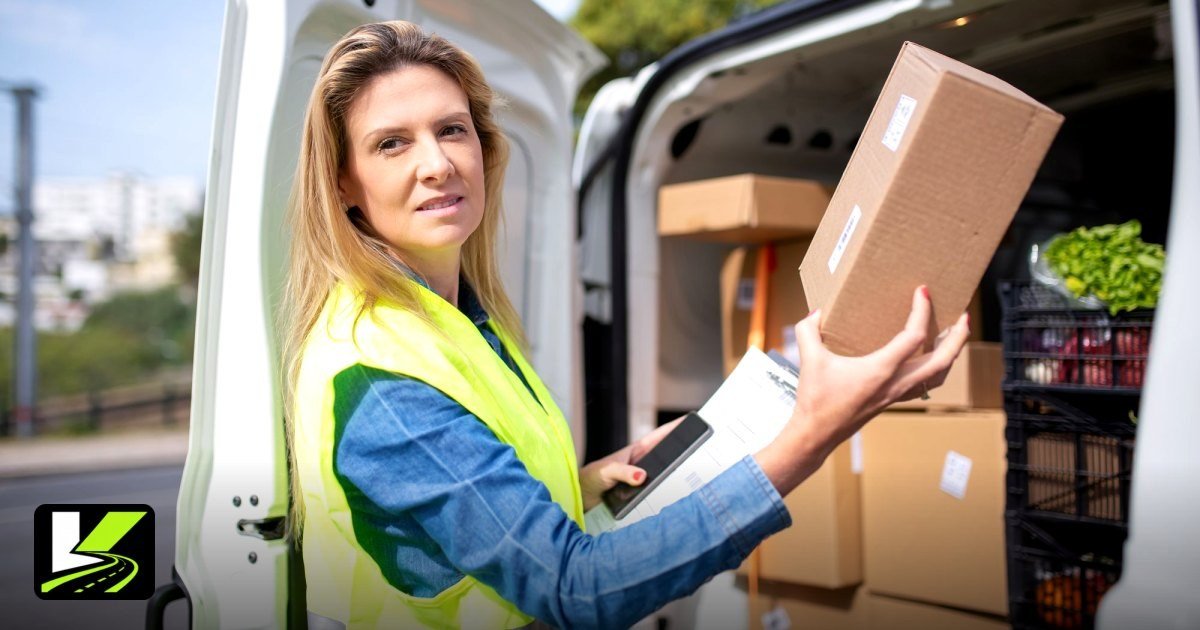
If you sell cakes, handmade goods, clothing or home products from Ajman, sooner or later a customer will order something heavy and you will have to ask what a rider can actually carry. The question "what is the maximum weight limit for same‑day parcels in Ajman" sounds simple, but the honest answer depends on several practical factors. This guide explains what influences parcel limits, how to prepare heavy orders and exactly what to confirm with Koriyar before you make a promise to a customer.
The weight limit question rarely has one universal answer
Couriers do not all apply the same rules, and even a single courier may handle different parcels in different ways. A limit usually reflects what can be carried safely by the person and vehicle doing the job, what the handling process allows and what the parcel itself can withstand. Because those factors change from one service to another, quoting a single number from memory is risky, and this article deliberately does not do that.
For a small seller, the practical lesson is simple. Treat any figure you read online, including in forums, social media groups or old posts, as unverified until it has been confirmed directly. Limits can be updated, and the service that suited a small cake box may not suit a carton of bottled products.
Why a made-up number is worse than no number
If you tell a customer that their order will be accepted and it turns out the parcel is too heavy, you create a failed order, an awkward message and possibly a refund. It is far better to say "I am confirming the arrangement for your order" and then check. This protects your reputation, which is the most valuable asset of a small online shop.
What "limit" can actually mean
When people talk about a limit they may be referring to several different things: the weight of a single parcel, the combined weight of several parcels collected together, the longest side of the parcel, or its total volume. Make sure you know which one you are asking about so that the answer you receive is useful.
Service type and how the parcel is carried shape what is possible
Parcels in the Dubai, Sharjah and Ajman area are normally collected and delivered by riders, and the rider's equipment and vehicle influence what can be moved. A small, light parcel such as a box of cupcakes, a pair of earrings or a phone case is a very different task from a boxed kitchen appliance or a case of drinks.
Think about the journey from the rider's point of view. The parcel must be lifted, secured, carried in a way that protects the contents and handed to the customer, often at an address where the customer may be at home, at work or in a building with stairs. A heavy parcel makes each of these steps harder and increases the chance of damage or discomfort.
Different parcels suit different arrangements
Seller categories differ widely. A home baker sends delicate, upright boxes that must stay level. A fashion seller sends soft, lightweight bags. A seller of household goods may send dense items that are awkward to carry. The right arrangement depends on the nature of the parcel, not only on its weight, which is why describing the contents is as important as stating the number on the scale.
Ask which service fits your parcel
When you contact Koriyar, describe the parcel and ask which service type is appropriate. Do not assume that the arrangement used for a small bag will automatically apply to a large or heavy box. If a different option is needed, it is better to learn that before the customer pays.
Size and shape matter as much as weight
A parcel that is only moderately heavy can still be difficult to handle if it is long, wide or awkwardly shaped. A rolled rug, a framed picture or a tall cake box may weigh little but occupy a lot of space and require careful positioning. Rider carriers, bags and vehicles have finite space, so dimensions often decide whether a parcel is practical.
Before you ask about limits, measure the finished packed parcel, not just the product. The outer box, padding and any dividers all add to the size. Measure length, width and height, and weigh the parcel on a kitchen or postal scale once it is fully packed and sealed. Write the figures down so that you can share them accurately.
Shape affects stability
Round, tall or uneven parcels can tip or roll. If the shape is unusual, add a base, wedge it with padding or choose a box that holds it firmly in place. A stable parcel is safer to carry and less likely to arrive damaged.
Several small parcels are not the same as one large one
If an order includes many items, you may have a choice between packing everything in one large box or dividing the order across several smaller ones. Each option has trade-offs for handling, cost and the risk of a single failure affecting the whole order. Discuss this with Koriyar so that the choice suits both the service and the contents. Splitting a large order is not always the right answer, but it is worth asking about.
A comparison of common parcel types shows what to prepare
The table below is a general planning guide, not a list of limits. It shows how different kinds of parcels tend to raise different questions, so you can prepare the right information before you contact Koriyar.
| Parcel type | Main handling concern | What to tell Koriyar |
|---|---|---|
| Cake boxes and bakery items | Must stay level and avoid heat and pressure | Box size, orientation requirements and any temperature concerns |
| Clothing and accessories | Usually light, but bulky bags can be awkward | Number of bags and their approximate dimensions |
| Cosmetics and bottled products | Leakage and breakage risk, plus concentrated weight | Product type, packaging method and total packed weight |
| Home goods and small appliances | Dense, heavy and awkward to carry | Packed weight, dimensions and whether the box has handles |
| Framed items and artwork | Fragile surfaces and flat, wide shape | Dimensions, fragility and protective packaging used |
| Multi-item orders | Total weight and number of parcels | Whether items are in one box or several and the total packed weight |
Notice that weight appears only as part of the picture. Most delivery problems come from a mismatch between the parcel and the way it is carried, not from the number on the scale alone.
Packaging decides whether a heavy parcel arrives in good condition
Even when a parcel is acceptable for handling, poor packaging can ruin the delivery. Heavy contents put more stress on the box, the seams and the handles. A thin carton that works for a light order may split when it holds something dense.
Choose a strong outer box
Use a strong outer box that is slightly larger than the contents, with space for padding. Avoid reusing boxes that are soft, wet or crushed, because they lose strength. For heavier items, double-check the base of the box, since that is the area most likely to fail under load.
Fill the gaps and secure the contents
Loose contents shift during movement and can break each other. Fill empty space with paper, bubble wrap or foam so nothing can slide. Place heavy items at the bottom and lighter ones above, and separate fragile items so they do not touch each other or the box walls.
Seal and label clearly
Seal every seam with strong tape, including the bottom. Write or print the customer's name, full address and contact number clearly on the outside, and add any handling notes such as "fragile" or "keep upright". Clear labelling helps the rider and reduces failed deliveries caused by missing or confusing information.
Take a photo before handover
Photograph the packed parcel and the label before the rider collects it. If a question arises later about the condition or contents, a clear photo is useful evidence, and it also helps you check that the parcel is correctly packed before it leaves your hands.
Check the limit with Koriyar before you promise anything to a customer
The most reliable way to avoid problems is a short routine that you follow for any parcel that feels heavy, large or unusual. When you check the limit with Koriyar, you replace guesswork with a clear answer for that parcel. You can do this through the contact options on the Koriyar website.
Use the checklist below to prepare your enquiry:
- Weigh the parcel after it is fully packed and sealed, and note the figure.
- Measure the length, width and height of the packed parcel.
- Describe the contents, including whether they are fragile, perishable, liquid or sensitive to heat.
- State the pickup area and the delivery area clearly.
- Say whether the parcel is a single item or part of a multi-parcel order.
- Ask whether the parcel is suitable for the service you plan to use, and what alternatives exist if it is not.
- Wait for the confirmation before you tell the customer the order is accepted.
- Keep the confirmation message so that you can refer to it if questions arise.
Plan around the answer, not against it
If the parcel turns out to be unsuitable for the service you wanted, you still have options. You can repackage the order, consider splitting a large order into smaller parcels, ask about another arrangement or discuss the situation openly with the customer. Honest communication usually keeps customers happy better than a rushed promise.
Build the answer into your product pages
Once you have confirmed how Koriyar handles your typical products, record it in your own notes and update your listings accordingly. If certain products are heavy, mention in the product description that special arrangements may apply. This saves time and sets the right expectations before an order is placed.
The verdict: confirm, pack well and communicate clearly
The question about the maximum weight limit in Ajman does not have a single, permanent answer that a seller can safely memorise. Limits depend on the service, the parcel's size and shape, its contents and the way it is carried. The best practice for small sellers is to avoid relying on rumours, measure and weigh each packed parcel and confirm the arrangement directly before promising anything to a customer.
Good packaging, accurate information and honest communication solve most of the problems that heavy or awkward parcels cause. If you are unsure, ask first. A short message to Koriyar costs very little compared with a failed order, a damaged product or a disappointed customer.
To discuss your parcel and confirm what is suitable, visit Koriyar and get in touch with the team.
Frequently Asked Questions
Is there one fixed weight limit for every parcel?
Not necessarily. Limits can depend on the type of service, how the parcel is carried and its size as well as its weight. Confirm the current limit for your parcel with Koriyar before promising it to a customer.
Does size matter as much as weight?
Yes. A light but bulky parcel can be harder to carry safely than a smaller, heavier one. Always share the approximate dimensions along with the weight when you ask.
How should I pack a heavy parcel?
Use a strong outer box, fill empty space so the contents cannot shift and seal every seam. Add a clear label with the delivery address and a contact number, and place heavy items at the bottom.
What should I do if my parcel is heavier than the usual limit?
Ask Koriyar whether another arrangement is possible, or consider splitting the order into smaller parcels where that suits the contents. Do not assume an oversized parcel can be accepted without checking.
Do fragile or perishable items change the answer?
They can. Fragile and perishable items need careful packaging and handling, so tell Koriyar what the parcel contains and how it should be handled when you ask about limits.