
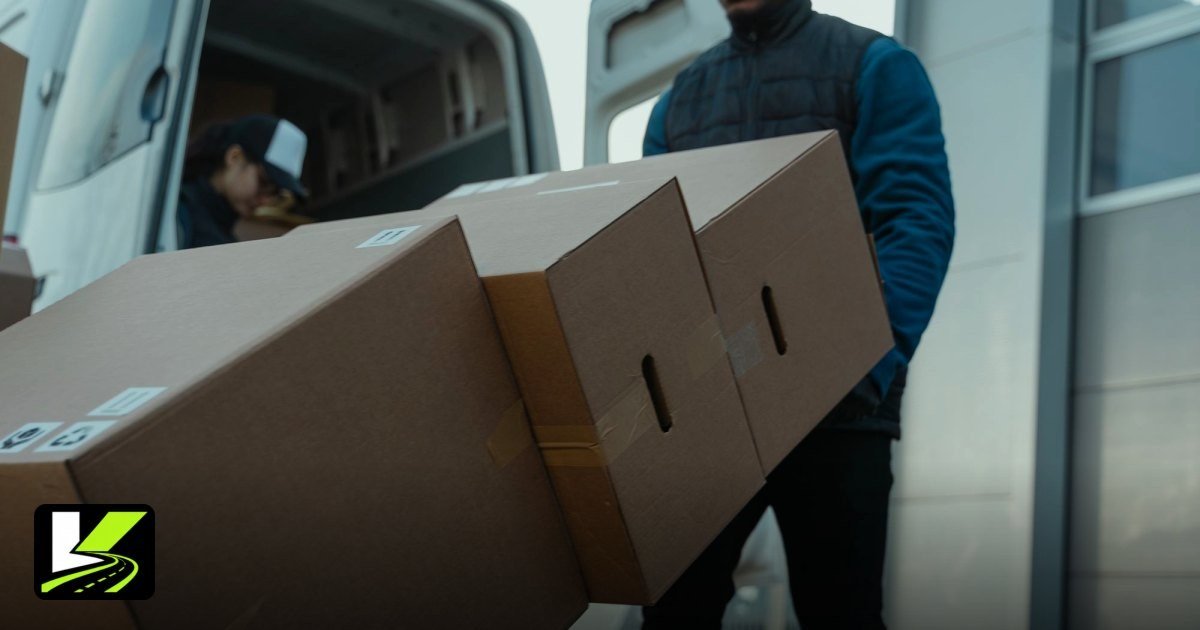
For a small seller, peak season is exciting and risky in equal measure. Orders rise, customers become less patient and every weakness in your process is exposed at once. Good peak season delivery planning in the UAE does not require a large team or a big budget; it requires a clear view of your limits, a tidy workflow and honest communication with the people buying from you.
Why does peak season hit small sellers harder?
Large retailers absorb busy periods with warehouses, spare staff and dedicated customer service. A home baker, an Instagram boutique or a solo e-commerce merchant usually has none of that. The same person takes orders, packs parcels, answers messages, arranges pickup and chases payment. When volume rises, the first thing to give way is usually the quietest part of the process: confirming details and preparing parcels properly.
Peak periods in the UAE are shaped by a mix of shopping events, religious and public holidays, gifting traditions, school calendars and seasonal weather. Each business feels them differently. A home baker may see a rush around celebrations, a fashion seller around major sales campaigns, and a gift business in the weeks before holidays. The first planning step is therefore specific to you: identify which periods genuinely matter for your customers, rather than assuming every seller is busy at the same time.
It also helps to recognise that peak season stresses more than your time. It strains your stock, your packaging supply, your cash flow, your customer messaging and your courier relationship. Treating it as only a delivery problem means missing most of the risk.
Look at last season before planning this one
If you have traded before, review what went wrong last time. Which orders were delayed or refused? Which messages did you answer late? Where did you run out of packaging or stock? Write the answers down in plain language. A short list of real problems is more useful than any generic template.
Accept that you cannot do everything
Small sellers often try to say yes to every order. Planning means deciding in advance what you will not do, such as accepting orders after a certain point or offering complicated custom packaging during the busiest weeks. Saying no early is kinder to customers than failing them later.
How should you forecast demand and set your limits?
You do not need sophisticated software to forecast. Look at your order history, the pattern of enquiries in your messages and any pre-orders you have already received. Compare your last busy period with an ordinary week, and use that gap as a rough guide. If you are new, ask other sellers in your niche what they experienced, and be conservative about how much you can handle.
The most useful number is not your total demand but your own capacity: how many parcels you can prepare to a good standard in a day without cutting corners. Work this out by timing yourself on a normal batch, including the packing, labelling and messaging, not only the making or sourcing of the product.
- Decide on a daily order limit that you can fulfil properly, and stop taking orders when you reach it.
- Set an order cut-off for each day so that preparation happens in a calm window rather than at the last minute.
- Keep a small buffer of stock or ingredients for returning customers, but avoid over-buying on optimism.
- Pre-agree which products you will pause during the busiest period if they are slow to prepare or fragile to send.
- Note any dates when you personally are unavailable, and plan cover for them.
A visible limit is a selling point rather than a weakness. Customers understand that a small business has boundaries, and many will order earlier if you tell them honestly that availability is limited.
Use pre-orders to smooth the rush
Pre-orders let you spread preparation over several days and give you a clearer picture of demand before it arrives. They work especially well for baked goods, gifts and made-to-order items. Make the pre-order terms clear: what the customer is ordering, when the order closes and how and when it will be handed to the courier.
What should you prepare before the rush begins?
The weeks before a busy period are the best time to remove friction from your process. Do the dull jobs now so that you are not doing them under pressure later.
Stock your packaging early
Packaging shortages are one of the most common peak-season failures. Order boxes, mailers, tape, labels, inserts and protective material before the rush, because suppliers can run short when everyone is buying at once. Buy a little more than you think you need of the items that are hardest to replace quickly, and test any new packaging with a real parcel before relying on it.
Standardise your parcel preparation
Choose a small number of standard box or bag sizes and a single packing routine for each product type. Fewer variations mean fewer mistakes and faster preparation. Photograph your ideal packed parcel and keep that picture where you work, so anyone helping you can match it.
Prepare your labels and order records
Write a simple order sheet or use a spreadsheet with the same columns every time: customer name, phone number, full address, building or villa details, any landmark, items ordered, payment method and amount to collect if the order is cash on delivery. Complete address information is the single biggest protection against failed deliveries, because a rider cannot hand over a parcel to a customer he cannot find.
Line up help
If a family member or friend can help with packing or messages during the busiest days, brief them beforehand. A short written checklist is better than relying on memory when everyone is tired.
How do you build a reliable pickup and handover routine?
Your handover routine is where your preparation meets the courier. The aim is to make every pickup predictable: parcels ready, labelled, sealed and listed before the rider arrives.
Many small sellers use Koriyar rider pickup and parcel handover precisely because it keeps this step simple. A rider collects parcels from your home or studio, which saves you from taking multiple trips and lets you keep working between orders. The principle holds whichever courier you use: choose a handover method that fits how you actually work, and test it before the busy period.
- Prepare parcels in one place, away from the work area, so nothing gets mixed up.
- Keep a printed or digital list of every parcel handed over, with the name and amount to collect.
- Check each label against your list before the rider arrives, not while they are waiting.
- Take a quick photograph of the batch if you can, as a simple record.
- Keep fragile or perishable items separate and tell the rider about them at handover.
Agree the practical details with your courier in advance: what time you should have parcels ready, how to reach the rider, and how to arrange any change. Do not assume the service options you saw months ago still apply to your needs during a busy period. Always confirm the options with Koriyar, or with whichever provider you use, before you describe them to customers.
Never promise what you do not control
Customers want certainty, and it is tempting to give it. Resist promising specific delivery outcomes that depend on traffic, weather, building access or the customer's own availability. Explain instead what you do control: when you dispatch, how you pack and how you will respond if something goes wrong. That kind of honesty protects your reputation far better than a promise that may be broken.
How can you manage cash on delivery and reduce failed deliveries?
Cash on delivery is popular with UAE shoppers and can win orders you would otherwise lose. During peak season, however, it also carries more risk: more cash to track, more refused parcels and more chances for confusion about what the customer owes.
Confirm every order before dispatch
Message each customer before you hand the parcel over. Check the address, building details, contact number and the amount to be collected. Ask them to confirm. A customer who replies is far more likely to be available when the rider arrives than one who never answered. If an order is high in value or unusual, consider asking for a prepayment or a deposit instead of cash on delivery.
Make refusals less likely
Many refused parcels come from a mismatch between expectation and reality: the item looks different, the amount is higher than the customer remembered, or they ordered on impulse and changed their mind. Clear product photos, an honest description and a written order summary all reduce this risk. Remind the customer of the amount due when you confirm the order.
Reconcile cash daily
Keep a simple ledger of parcels sent, amounts due, amounts collected and amounts outstanding. Check it every day rather than at the end of the week. The sooner you find a discrepancy, the easier it is to resolve with your courier or customer. Ask your courier to explain exactly how collected cash is settled, and keep that explanation in writing.
Plan for failed deliveries
Decide in advance what you will do when a customer is unreachable or a parcel is refused. Will you offer one re-attempt? Will you ask the customer to arrange a new time? Will you charge for repeated attempts? Whatever you decide, state it in your order terms, and apply it consistently.
How should you pack and protect parcels in a busy season?
Parcels pass through more hands and more handling when volumes are high, so packaging has to be forgiving. A parcel that survives a careless moment protects both your product and your reputation.
| Product type | Main risk | Packing approach | Handover note |
|---|---|---|---|
| Baked goods and cakes | Crushing, tilting, heat | Rigid box, non-slip base, snug fit, cool storage before handover | Mark as fragile and keep upright |
| Fashion and textiles | Moisture, tearing | Sealed protective bag inside a sturdy mailer | Include a clear label and order slip |
| Cosmetics and liquids | Leaks, breakage | Tight seals, absorbent wrap, padded box | Tell the rider the parcel contains liquids |
| Gifts and glassware | Impact damage | Double boxing with generous cushioning | Mark as fragile and avoid stacking |
| Electronics and accessories | Impact, static, loss | Original packaging inside a padded outer box | Record serial details before handover |
Whatever you sell, remember the weather. Heat can ruin chocolate, cream and some cosmetics, while humidity can spoil paper goods and fabrics. Keep perishable items cool until handover, avoid leaving parcels in direct sun, and be honest with customers about any limits on what can be sent.
Label for the person handling it
A label should be clear to a rider in a hurry. Show the recipient name, phone number, full address and any payment amount in large, legible print. Add a short handling note, such as fragile or this way up, where it matters. Avoid cluttered labels that hide the information the rider actually needs.
Keep proof of what you sent
Photographs of packed parcels and a record of handover help you resolve any later complaint quickly. If your courier provides proof of delivery, save it and share it with the customer when asked.
How do you keep customers informed without overpromising?
Most peak-season complaints are really communication complaints. A customer who understands what is happening is usually patient; a customer left guessing is not. You do not need long messages, only clear and timely ones.
- State your order cut-off and busy-period terms on your page, profile or catalogue before customers order.
- Send an order confirmation that repeats the items, the address and any amount to pay on delivery.
- Tell customers when the parcel has been handed to the courier, and what to do next.
- Give them a clear way to reach you if the address changes or they will be unavailable.
- Reply to problems quickly, even if the reply is only that you are looking into it.
Use plain, friendly language and avoid technical jargon. Keep a few ready-made replies for common questions, such as how to change an address or what to do if no one is home, so you can answer quickly without rewriting each time.
Above all, avoid making claims you cannot support. Do not describe delivery in terms you cannot verify, and do not suggest coverage or availability that you have not confirmed. If a customer asks about something unusual, tell them you will check and reply, then check with your courier. You can also simply say that you will confirm the options with Koriyar before replying, which is better than guessing.
Verdict: what is your peak season checklist?
Peak season rewards the small seller who prepares early, keeps the process simple and communicates honestly. You cannot control traffic, weather or customer behaviour, but you can control your limits, your packaging, your records and the clarity of your messages. Work through the checklist below in the weeks before your busy period, and review it again when it ends so next year starts from a better place.
- Review last season and list the problems you want to avoid repeating.
- Set a daily order limit and a clear order cut-off.
- Order packaging and labels early, and test them with a real parcel.
- Build a standard order sheet with complete address and contact details.
- Confirm every order, especially cash on delivery, before dispatch.
- Agree handover details with your courier and confirm the service options in writing.
- Reconcile cash and parcel records every day.
- Keep customers informed with short, honest messages and no overpromising.
If you are looking for a courier built for small sellers, Koriyar works with home bakers, Instagram shops and independent merchants who need a straightforward way to hand parcels to a rider. Contact the team to confirm what is available for your parcels and customers before your busy period begins.
Frequently Asked Questions
When should a small seller start peak season delivery planning in the UAE?
Start well before the first rush, ideally as soon as you know which sales events or holidays matter to your customers. Early planning gives you time to order packaging, test your workflow and agree handover arrangements with your courier.
How can I avoid being overwhelmed by orders at peak times?
Set a realistic daily order limit, close or pause ordering when you reach it, and tell customers clearly what to expect. Preparing and labelling parcels in batches also helps you stay in control.
Is cash on delivery harder to manage in peak season?
It can be, because the volume of cash to track and the number of refused parcels both tend to rise. Confirm every COD order with the customer before dispatch and reconcile collections daily.
What should I tell customers about delivery during busy periods?
Be honest and specific about your order cut-offs and what happens after dispatch, and avoid promising anything you do not control. Confirm the exact service options with your courier before you publish them.
How do I choose a courier for peak season?
Look for clear pickup arrangements, proof of delivery, a sensible way to handle cash on delivery and responsive support. Ask the courier directly to confirm what it can offer for your parcels and customer areas.