
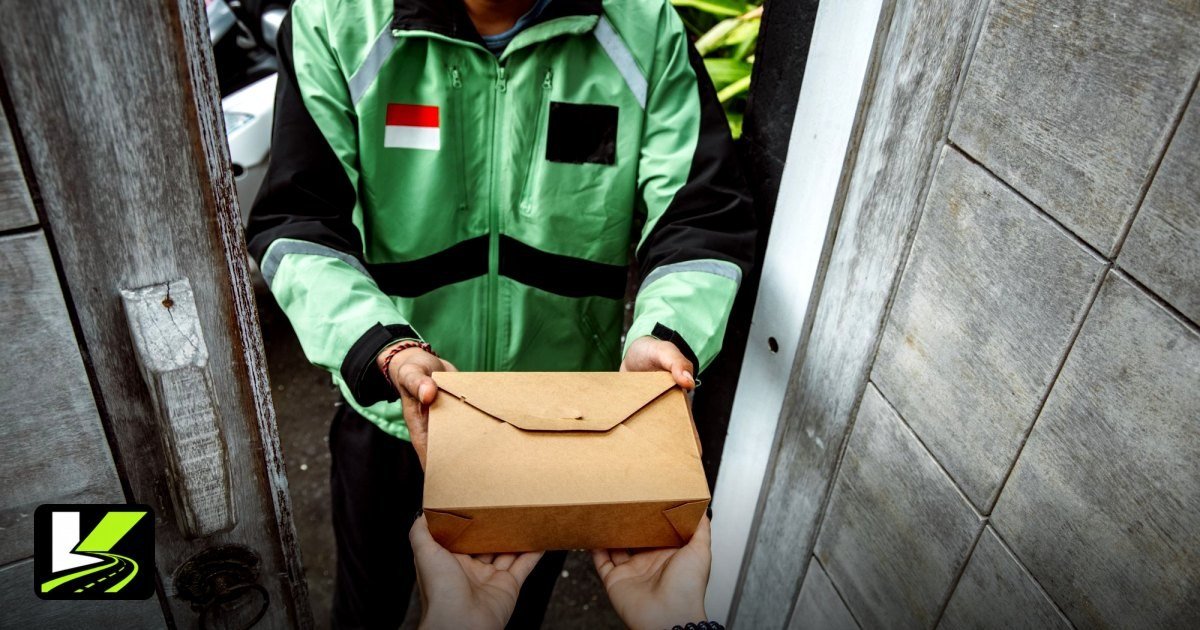
Customers who buy through WhatsApp, Instagram or a small online shop tend to ask the same question once they have paid: where is my order? A clear delivery status WhatsApp message template answers that question before it is asked, saves you from typing the same reply dozens of times and makes a small business look organised. This guide gives you practical wording for every stage of an order, plus the thinking behind it.
Good status messages cut repeat questions and build trust
For a small seller, every delivery question that lands in your inbox is time taken from baking, packing, photographing or sourcing. Many of those questions are not complaints. They are customers who are simply not sure what is happening and would be happy with a short, reassuring update.
Status messages do three jobs at once. They reduce anxiety, because the customer knows the order is in hand. They reduce failed deliveries, because you can confirm the address, the contact number and any payment before the rider leaves. And they create a simple record: if a customer later says nothing was explained, you can scroll back to the exact message you sent.
The aim is not to send more messages but to send the right ones at the right moments. A customer who receives a tidy confirmation, a pickup note, an on-the-way update and a delivered note feels looked after. A customer who receives a dozen vague updates feels spammed. The templates below are deliberately brief so you can adapt them to your brand voice and your products.
Every delivery update needs the same five ingredients
Before you copy any template, it helps to know what makes a status message work. Whatever the stage, check that it contains these elements.
Who you are and which order it concerns
Start with the customer's first name and your shop name, then give the order number or a short description such as the item name. Customers often order from several sellers in one week, and a message that does not identify itself can be missed or mistaken for spam.
What has just happened
State the status in plain words: order confirmed, parcel handed to the rider, on the way, delivered. Avoid jargon and do not dress up a simple fact. If the news is a delay or a problem, say so directly.
What happens next
Tell the customer what to expect and whether they need to do anything. If no action is needed, say so. If they do need to act, such as keeping their phone nearby, sharing a location pin or having the payment ready, put that in the message.
Any detail they must act on
This includes the delivery address as you have it, the contact number the rider will call, and any amount to be paid on delivery. Repeating these details lets the customer correct a mistake before it becomes a failed delivery.
How to reach you
End with a simple way to respond, usually just replying to the same chat. Sellers who make replying easy get corrections early rather than angry messages later.
One rule applies throughout: keep every message short and specific. Two or three short lines are easier to read on a phone than a paragraph, and they are more likely to be read in full.
Copy-and-adapt templates for each stage of the order
Replace the items in square brackets with your own details. Keep the wording natural, and change it to match how you normally speak to customers. Avoid promising specific delivery times in these messages unless you have confirmed them with your courier for that particular order.
| Stage | Purpose | Template |
|---|---|---|
| Order confirmed | Confirm the order and collect missing details | Hi [Name], thank you for ordering from [Shop]. Your order [Order no.] for [Item] is confirmed. Please check the address below and reply if anything needs changing: [Address]. |
| Preparing | Reassure the customer the order is in hand | Hi [Name], we are preparing your order [Order no.] now. We will message you again when it is handed to the rider. |
| Handed to courier | Show that the parcel has left you | Hi [Name], your order [Order no.] has been handed to the delivery rider. Please keep your phone nearby in case the rider calls. |
| On the way | Prepare the customer to receive it | Hi [Name], your order [Order no.] is on its way to you. Someone should be available to receive it. Reply here if you need to change anything. |
| Delivered | Close the loop and invite feedback | Hi [Name], your order [Order no.] has been delivered. We hope you love it. If anything is not right, reply here and we will help. |
| Delivery attempt unsuccessful | Solve the problem quickly | Hi [Name], the rider could not complete the delivery of order [Order no.]. Could you confirm your location or share a map pin so we can arrange the next step? |
| Rescheduled | Confirm a new arrangement | Hi [Name], thank you for confirming. We have arranged a new delivery attempt for order [Order no.]. We will message you when it is on the way. |
Notice that none of these templates state a time window or make a guarantee. Delivery timing depends on your courier, the parcel and the location, so confirm what is possible with the courier first and only then pass specific information to the customer. If you work with Koriyar, confirm the details with Koriyar for each service you offer before wording your promises.
Many sellers save these templates as quick replies in the WhatsApp Business app, so a short shortcut inserts the full text. Keep a version in Arabic too if a good share of your customers prefer it. Ask a native speaker to check the wording instead of relying on machine translation, because a message that reads awkwardly can undermine the trust you are trying to build.
Cash on delivery needs its own clear message
When an order is paid on delivery, the status message has an extra job: making sure the customer is ready to pay and understands exactly what they owe. Misunderstandings about payment are a common cause of refused parcels and awkward doorstep conversations.
Send a separate message for cash on delivery rather than burying the amount inside another update. Here is a simple template: Hi [Name], your order [Order no.] will be paid on delivery. The amount due is [Amount]. Please have the exact payment ready for the rider. Reply YES to confirm you are happy for us to proceed.
Asking for a reply gives you a small but valuable commitment. A customer who has answered YES is far less likely to refuse the parcel, and a customer who does not reply gives you a signal to follow up before the rider is sent. Always state the amount precisely as agreed with the customer, using your own price list. Never change it in a status message without explaining why.
Include a line explaining what happens if the customer is unavailable, so there are no surprises. For example: If you cannot receive the parcel, please tell us as soon as possible and we will arrange the next step. Keep the tone friendly rather than threatening. The goal is to prevent a failed delivery, not to warn the customer off.
Failed deliveries and address problems call for calm, specific messages
Even well-run sellers face failed deliveries. The customer may be unreachable, the address may be incomplete, or the parcel may arrive when nobody is home. How you handle the message at this point decides whether you keep the customer.
First, be factual. Say that the delivery could not be completed, and name the reason if you know it: no answer, unclear location or access problem. Then ask one question at a time. A message asking the customer to confirm their location, share a map pin, give the building or villa details and suggest a convenient time is overwhelming. Start with the most important item, typically the location pin, and follow up after they respond.
Avoid blame. Phrases like you did not answer your phone or the rider says nobody was there put the customer on the defensive. Try: We could not reach you for delivery of your order. Could you confirm the best contact number and your location so we can sort this out? The facts are the same, but the tone invites cooperation.
Prevention beats cure. Many failed deliveries come from incomplete addresses, which is why your first confirmation message should always repeat the address. Ask for a map pin when you take the order, note landmarks and building names, and include any gate or access instructions. A short verification message at order stage is the cheapest way to reduce failed deliveries.
Finally, keep a record. Note which orders had problems and why, and look for patterns. If many issues involve the same area, the same type of address or a missing phone number, adjust your order form or your checking process.
Tone, language and timing shape whether messages are welcome
Customers respond to messages that feel human. Use their first name, write in the language they used with you, and keep the tone warm but brief. A home baker might add a friendly line about the cake, a fashion seller might mention the item by name. Small personal touches stand out against the generic automated texts customers receive from larger platforms.
Think about timing as well. Send updates when they are useful and at sensible hours, rather than at night or very early in the morning unless the customer is expecting it. Avoid sending several updates in quick succession. If two things happen close together, combine them in one message.
Consider permission and platform rules. Customers who have messaged you first expect to hear back about their order, but you should not use delivery updates as a back door for promotions. If you use the WhatsApp Business platform to send messages to customers outside an active conversation, businesses are generally required to use approved message templates and to respect customers' opt-in choices. Check the current rules on the WhatsApp Business website rather than relying on memory, as policies are updated from time to time. A good rule of thumb is that status messages should carry status information, and marketing should be kept separate.
Protect customer privacy too. Do not share customers' addresses or phone numbers in group chats, and share only what the rider needs to complete the delivery. Respect any request to stop messaging, and keep your records tidy so you can respond if a customer asks what information you hold.
Verdict: a few well-built templates will do most of the work
You do not need dozens of templates or complex automation to run good delivery communication. A small set of well-written messages covering confirmation, handover, on the way, delivered, failed attempt and cash on delivery is enough for most home-based and social-media sellers. The value comes from using them consistently.
Start by saving the templates above as quick replies, adapt the wording to your brand, and test them on a few friendly customers. Watch which messages draw questions and refine them until customers rarely have to ask where their order is.
Use this checklist when you set up your messages:
- Open every message with the customer's name and the order number.
- Repeat the address and contact number at confirmation.
- State the status plainly and tell the customer what happens next.
- Send a separate message for cash on delivery with the exact amount.
- Ask for a map pin when the address is unclear.
- Avoid promising times or outcomes you have not confirmed with your courier.
- Keep failed-delivery messages calm, specific and blame-free.
- Save templates as quick replies in the language your customers prefer.
If you sell in Dubai, Sharjah or Ajman and need a delivery partner built for small online sellers, Koriyar can walk you through its services so you describe them accurately to your own customers. Good delivery messages work best when they match what your courier can actually do.
Frequently Asked Questions
Do I need a WhatsApp Business account to send delivery updates?
You can send updates from a personal account, but the WhatsApp Business app adds quick replies, labels and a business profile that make status messages faster and more consistent. Larger volumes may call for the business platform with approved templates.
How many delivery updates should I send per order?
Send an update at each point where the customer needs to act or would otherwise wonder what is happening, typically order confirmation, parcel handed over, on the way and delivered. More messages than that tend to feel like noise.
Should I send updates in English or Arabic?
Use the language your customer used when ordering. If your audience is mixed, keep the message short and offer both languages, with the key details such as the order number and any amount to pay easy to spot.
What should I say when a delivery attempt fails?
Explain what happened in plain words, ask one clear question such as confirming the location or a suitable time, and tell the customer what the next step is. Avoid blaming the customer or the rider.
Can Koriyar confirm delivery options for my orders?
Service options, coverage and arrangements depend on your parcel and location, so confirm the details directly with Koriyar before promising anything to your customers.