
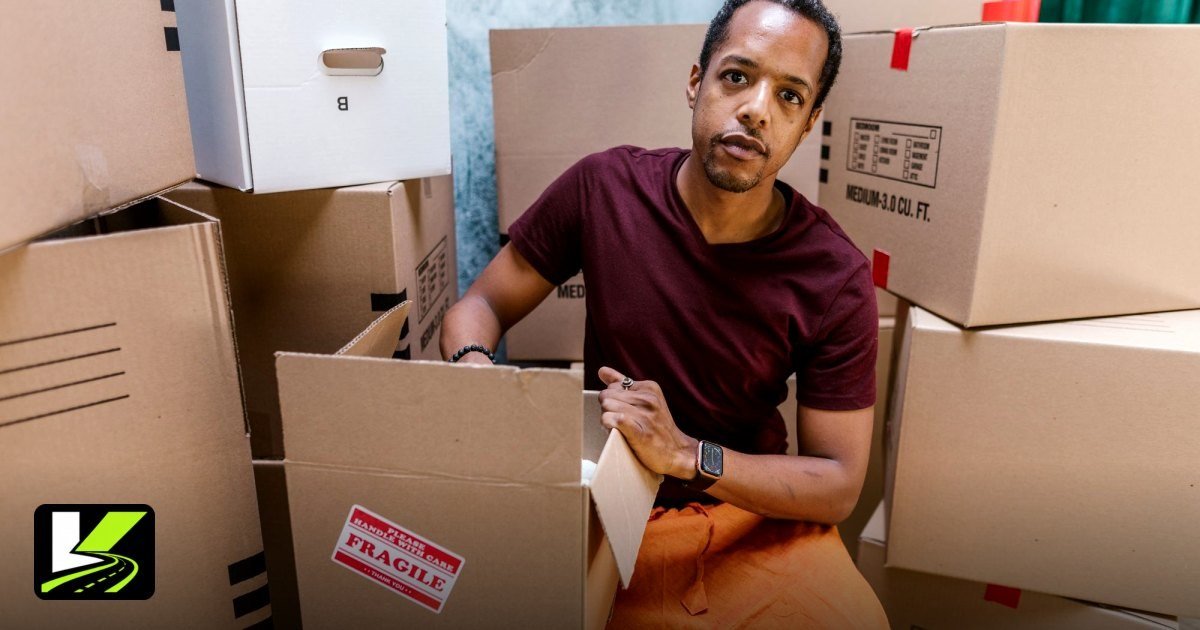
A well-packed parcel is the cheapest insurance a small seller can buy. Whether you run a home bakery, an Instagram shop or a small online store, the way you pack decides whether a customer opens a neat product or a complaint. This guide explains how to pack a parcel for a courier in the UAE, from choosing the box to placing the label.
Why does packing matter so much for small sellers?
Parcels pass through several pairs of hands. They are loaded onto vehicles, carried up stairs, stacked with other items and sometimes put down in a hurry. A parcel that survives that journey is one where the packing assumes things will go wrong and protects against them.
Poor packing creates costs that are easy to overlook.
- Damaged goods lead to replacements, refunds and unhappy reviews.
- Unreadable labels cause delays, wrong stops and failed attempts to reach the customer.
- Oversized boxes waste material and make parcels harder to handle.
- Weak seals let contents shift, spill or go missing.
For small sellers who depend on social media reputation and repeat orders, the unboxing moment is part of the brand. A parcel that is clean, snug and clearly labelled tells the customer that the seller is careful, which supports trust before they even try the product.
Good packing also helps your courier. Riders handle many parcels in a day, and a parcel with a firm box, a clear label and a visible handling note is easier to carry, scan and hand over. If you want a reliable courier for small sellers, start by giving that courier a parcel that is ready to travel.
Which box or mailer should you choose for each type of product?
The right container depends on what you are sending. Choosing too large a box is as much of a mistake as choosing too small a one.
Corrugated boxes suit most rigid or fragile items
Corrugated cardboard boxes are the standard choice because they resist crushing and can be sized closely to the product. Look for boxes with clean edges, strong corners and no signs of damp. Single-wall boxes suit light items, while double-wall boxes suit heavier or more delicate products.
Padded mailers and poly bags suit soft goods
Clothing, scarves and fabric items often travel well in poly mailers or padded envelopes. Choose opaque materials so that contents are not visible, and seal them carefully. Padded envelopes are suitable for small, light items that are not easily crushed.
Rigid mailers and flat boxes protect documents and flat products
Prints, cards, certificates and notebooks need protection from bending and moisture. Use rigid mailers or flat boxes with a card insert so that the item stays flat.
Food and perishable items need rigid, clean containers
Home bakers and food sellers should use food-safe inner containers that hold the product firmly, then place them inside a snug outer box. Cakes, pastries and similar items need support on every side, and any container should be sealed so that it does not open during transport. Always confirm with your courier which perishable items they can accept and how they should be presented.
| Product type | Suggested container | Filler or support | Main risk to avoid |
|---|---|---|---|
| Glass, ceramics, candles | Sturdy corrugated box | Bubble wrap plus paper or foam on all sides | Items touching each other or the box wall |
| Clothing and fabric | Poly mailer or small box | Folded neatly, sealed in a bag | Moisture and dirt |
| Cosmetics and bottles | Rigid box with dividers | Wrapped bottles, absorbent layer | Leaks and broken caps |
| Baked goods | Food-safe tin or box inside an outer carton | Snug inserts that stop sliding | Crushing and tilting |
| Documents and prints | Rigid mailer or flat box | Card backing | Bending and moisture |
| Small electronics | Original box inside a stronger carton | Padding around the inner box | Knocks and static |
What fillers, cushioning and seals actually protect the contents?
Filler has one job: to keep the product from moving and to absorb the shock when the parcel is dropped or knocked. The best filler is the one that fills the empty space completely without squashing the item.
Wrap each item individually first
If a parcel has more than one product, wrap each separately so that items cannot rub or collide. Bubble wrap, paper wrap or soft foam sleeves all work. Fragile objects should be wrapped generously and placed away from the box walls.
Fill every gap so nothing can shift
Crumpled paper, kraft paper, air pillows, foam inserts and corrugated dividers are all suitable. After packing, close the box and shake it gently. If you hear or feel movement, add more filler. Gaps are what break products, not the journey itself.
Keep a buffer between the product and the outside
Leave a clear margin of cushioning between the product and every wall of the box. Corners and edges take the hardest knocks, so do not let delicate items sit against them.
Choose materials that suit your brand and budget
Paper-based filler is recyclable and looks neat, which many customers appreciate. Bubble wrap is reliable for glass and electronics. Whichever you choose, buy in reasonable quantities and keep it dry. Compare options by the protection they offer rather than by appearance alone.
For liquids, add a leak-proof layer: seal the bottle or jar, wrap it in an absorbent layer and place it in a sealed bag before it goes into the box. Heavy items should sit at the bottom, lighter ones above, and nothing should press on a fragile product.
Seal and reinforce the parcel properly
A parcel can have perfect cushioning and still fail because the box opens. Good sealing is simple but often rushed.
- Use strong packing tape designed for cartons, not decorative or masking tape.
- Seal the central seam and both edge seams, using the H-pattern across the top and the bottom.
- Press the tape firmly along its full length so that it sticks to the surface.
- Reinforce corners if the contents are heavy, using extra tape or edge protectors.
- Avoid overfilling the box so that the flaps are forced open, or leaving the box so empty that the lid collapses.
- Use a tamper-evident seal or branded sticker if you want the customer to know the parcel has not been opened.
Keep the outside of the parcel smooth. Straps, strings or loose items attached to the outside can snag on other parcels and detach. If you must include an extra item, place it inside the box or inside the same sealed bag.
Weight matters too. A parcel that is heavier than a single rider can handle comfortably is more likely to be dropped. Keep each parcel manageable, and split large orders into separate boxes if necessary, labelling each one clearly as part of the same order.
What should a courier label include, and where does it go?
A label is the parcel's passport. If it is missing, damaged or unclear, the best packing in the world will not help the parcel reach its destination.
Write the essentials clearly
- The customer's full name and a working mobile number.
- The complete address, including building name, floor, flat or villa number, area and emirate.
- A landmark or short note that helps the rider find the entrance, if the address is difficult.
- The seller's name and contact number, so that the parcel can be returned or queries resolved.
- The order reference, so that you and the customer can match the parcel to the order.
- Any handling instruction, such as fragile or keep upright.
Place it where it can be scanned and read
Put the label flat on the largest face of the parcel, away from seams, corners and tape overlaps. A label folded around an edge is hard to scan. Cover the label with clear tape if the parcel may meet moisture, but do not tape over a barcode in a way that creates glare.
Print, do not rely on faint handwriting
Printed labels are easier to read than handwriting, especially in poor light. If you must write by hand, use a dark permanent marker and block capitals. Check that the phone number is correct, because a rider who cannot reach the customer cannot complete the handover.
Remove or cover old labels
If you reuse a box, remove old labels and barcodes or cover them completely. Old information can confuse scanners and staff and send a parcel to the wrong place.
Add a second copy of the address and contact number inside the parcel as a backup. If the outside label is damaged, that slip can save the delivery. If your parcel involves cash on delivery orders, make sure the amount to collect and the order reference are accurate on the label or in the booking, according to your courier's process.
How do you handle fragile, perishable and unusual items?
Some products need extra care or may have restrictions. The safest rule is to ask your courier before you send something unusual.
Fragile goods need visible handling cues
Mark fragile parcels clearly on more than one side, and use a sturdy outer box even when the inner product is boxed. A fragile sticker does not replace good packing, but it reminds handlers to take care.
Perishable goods need honest planning
Food items are sensitive to temperature, tilting and time. Pack them so they cannot slide, label them clearly and share the pickup details with the customer so that someone is ready to receive them. Do not assume special handling is available; confirm with your courier what is possible and what packaging they recommend.
Liquids, batteries and sensitive items may have rules
Perfumes, oils, aerosols, power banks and similar products can carry restrictions in transport. Check the rules for your courier and the route, and follow their instructions on packaging and declaration. Never hide a restricted item in a parcel, because it can put people at risk and cause the parcel to be stopped.
High-value items benefit from extra documentation
For valuable products, take photographs of the item and the packing before sealing the box. Keep a record of the order, the weight and the labels. This evidence helps if a dispute arises, and it supports the process for packaging and proof of delivery that serious sellers follow.
What does a repeatable packing routine look like for a busy small seller?
Consistency prevents mistakes. A routine also saves time as order volumes grow, because every parcel is packed the same way.
- Set up a packing station with boxes, filler, tape, labels, scissors and a marker within reach.
- Keep a small range of box sizes that cover most of your products, rather than dozens of options.
- Check each order against the product, size, colour and quantity before sealing.
- Take a quick photograph of the packed item and the label for your records.
- Confirm the customer's address and phone number by message before dispatch, particularly for new customers.
- Store packed parcels in a dry, clean place away from direct sun and strong smells.
- Keep a log of damage complaints, then adjust your packing for the product that causes them.
Test your packing before you rely on it. Send a trial parcel to a friend, or drop a packed sample gently from a modest height and inspect the result. If the product survives these checks, your standard method is probably reasonable, and if not, you have learned something cheaply.
Review your materials as your business grows. A home baker who begins with kitchen tins may move to branded boxes, while an online store may buy custom mailers. Better materials do not have to be expensive; they need to match the product and the care you want to show.
Verdict: pack for the journey, label for the handover
Good parcel packing is not complicated. Choose a box that fits, wrap each item, fill every gap, seal the seams firmly and put a clear label where it can be read and scanned. Add a backup address slip inside, check restricted items with your courier and keep a simple routine that you follow for every order.
Small sellers in Dubai, Sharjah and Ajman who build these habits spend less time on replacements and complaints and more time on selling. To discuss pickups, service options and anything unusual about your products, confirm the details with Koriyar directly, so that your packing and your delivery arrangement work together.
Frequently Asked Questions
What is the best way to pack a fragile item for a courier?
Wrap the item individually, place it in a sturdy box with firm filler on every side, and make sure it cannot move when you shake the box gently. Mark the parcel as fragile and keep heavy items away from delicate ones.
Should I put the delivery address inside the box as well?
Yes. A copy of the address and contact number inside the parcel helps if the outer label is damaged or becomes unreadable. Keep it flat and visible when the box is opened.
Can I reuse old boxes for courier parcels?
You can if the box is clean, rigid and free from crushed corners or damp. Remove or cover old labels and barcodes so that the courier scans only the current one.
How do I pack food and baked goods?
Use food-safe containers, keep items from sliding inside a snug outer box, and avoid packing hot or very soft items without support. Confirm with your courier which perishable items they can handle and how to describe them.
Who should I ask about restricted or unusual items?
Ask your courier before you send. Liquids, batteries, perfumes and other items can have handling rules, so confirm what is accepted and how to pack it rather than assuming.