
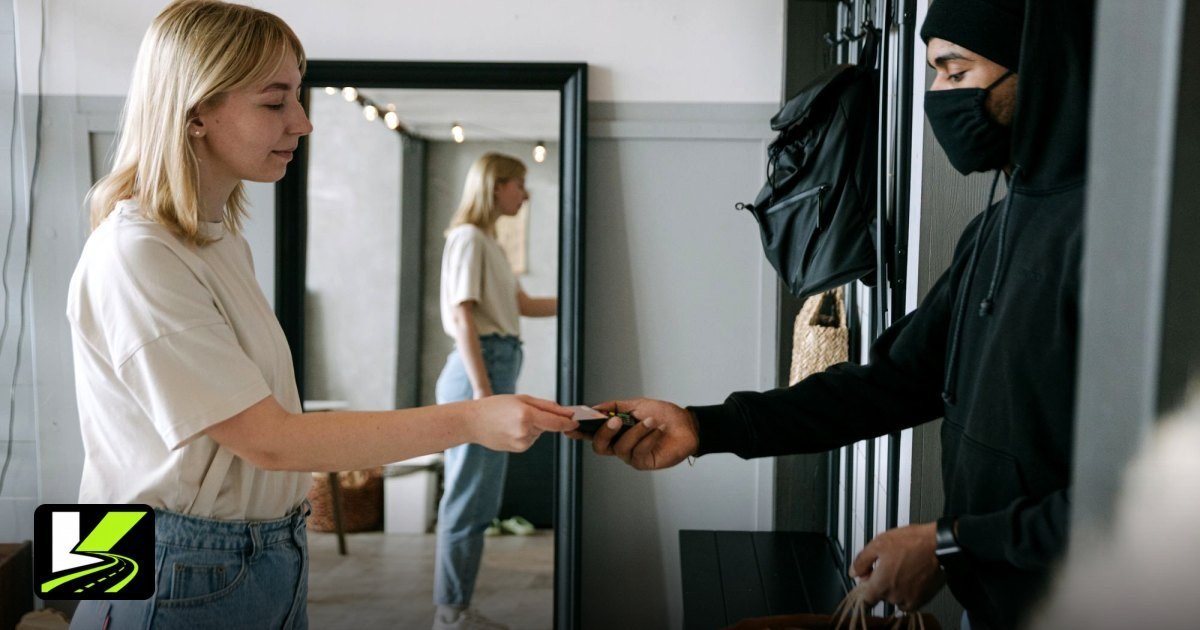
When you order local delivery in the UAE, much of what makes a handover smooth has nothing to do with the rider and everything to do with preparation. A clear address, a reachable phone, a well-sealed parcel and an order that was confirmed before it left the kitchen all remove friction. This guide is written for two groups: customers who order food and groceries from local sellers, and the small sellers who send those orders out.
Why do local food and grocery deliveries run into problems?
Most delivery problems are small and avoidable. A rider arrives at a building with several entrances, cannot reach the customer by phone and waits. A parcel packed in a thin bag leaks in transit. An order is accepted on social media without checking the address, and the customer has moved or is out when the courier calls. None of these is dramatic, but each one costs time, money and goodwill.
It helps to separate problems into three groups. The first is information: the address, the phone number and the delivery instructions. The second is the parcel: packaging, labelling and handling. The third is the arrangement: who collects payment, what happens if nobody answers and how the seller and courier communicate. Fixing each group is straightforward once you know where to look.
Delivery depends on many parties
A local order passes through the customer, the seller, the courier and sometimes a building's security or reception. A delay at any point can affect the others, and no single party controls the whole chain. That is why honest couriers avoid promising exact times, and why it is wise for sellers to set expectations carefully instead of repeating promises they cannot control.
Groceries add their own wrinkles. A basket may mix frozen items, fresh produce, bread and household goods, each of which wants different handling. If you regularly order local delivery in the UAE for a weekly shop, think about splitting the basket so that delicate items are not crushed under tins and bottles, and so that anything that needs to stay cold is not left sitting beside warm items.
Timing choices matter as well, though not in the way people expect. Ordering at the very end of a seller's working day, or just before a public holiday, can leave less room for questions and corrections. Ordering earlier gives you and the seller time to confirm details, which is often more useful than any attempt to rush the last stage.
Preparation beats speed
Many customers focus on how quickly an order arrives. In practice, the biggest improvement usually comes from removing the avoidable delays: an address the rider can find, a phone that is answered and a parcel that does not need to be repacked. Time lost at the door is often larger than time lost on the road.
How can customers help a rider find the right door?
If you are the customer, a few minutes of preparation when you place an order makes a real difference. Addresses in many parts of the UAE are described by landmark, building name or villa number rather than by a formal street grid, so the more detail you give, the better.
- Share a map pin from your phone, not just a text address.
- Include the building name, tower or villa number, floor and flat number.
- Name the entrance to use if the building has several.
- Mention gate codes, security desk procedures or intercom names in advance.
- Add a nearby landmark that a rider can recognise.
- Give a mobile number that works for calls and messages.
Stay reachable around the time of delivery
Riders usually call or message when they arrive. If your phone is on silent or the number is wrong, the parcel may be returned or held. When you order local delivery in the UAE, keep your phone near you and reply quickly. If you will not be home, tell the seller so a neighbour, reception or a safe handover arrangement can be agreed in advance.
Check your order before you pay
Read the order summary carefully: items, quantities, substitutions and delivery notes. Fixing an error before dispatch is easier than after. If you ordered from a social media seller, ask them to repeat the details back to you by message so that both sides have the same version in writing.
What should small sellers do to confirm an order before it leaves?
For home bakers, Instagram shops and WhatsApp-order businesses, the best protection against failed deliveries is verification before dispatch. Many failed deliveries begin as an order that was never properly confirmed.
A simple routine works well. When a customer places an order, send a short message that repeats the items, the delivery address, the phone number and the payment method, and ask them to reply to confirm. If they do not confirm the order by message, treat it as not yet confirmed. This takes a minute, and it catches wrong addresses, duplicate orders and customers who changed their mind.
Use a standard confirmation template
Save a message template so you can reuse it. Include the order number, the item list, the address with a map pin, the contact number, the payment method and a request for the customer to confirm. Keep a copy of the conversation, because it is useful evidence if there is a dispute later.
Collect the details a courier will need
Before you book a pickup, make sure you have the customer's full name, phone number, address and pin, any building access notes, and a note of what is inside the parcel. Give the courier the same details you gave the customer, so that nothing is lost between the order and the handover. You can read more about how Koriyar works with small sellers on the Koriyar website.
How do you pack food and groceries so they arrive in good condition?
Packaging is the part of the process sellers control completely, and it is where many complaints begin. Food parcels face movement, tilting, heat and handling by several people. Pack for that reality, not for a perfect journey.
- Use leak-proof, tightly sealing containers for anything liquid, creamy or oily.
- Place containers in a rigid outer box or sturdy bag so they cannot crush each other.
- Separate hot, cold and dry items, and avoid placing heavy items on top of delicate ones.
- Fill gaps with paper or padding so items do not slide.
- Use tamper-evident seals so the customer can see the parcel was not opened.
- Label the outside with the order number, the customer name and any handling notes such as "keep upright".
Think about heat and time in the packaging choice
The UAE climate is hot for much of the year, so heat-sensitive items need extra care. Insulated bags or cooling elements can help for items that need to stay cool, but they do not turn a long journey into a safe one. For items that spoil quickly, talk to your courier about what they are able to carry and how, and think carefully about whether delivery is suitable at all.
Allergen and ingredient information deserves a mention too. If you sell food, include a clear ingredient list or allergen note with the parcel or in your order message, and follow the rules that apply to your food business licence. Customers rely on this information, and a handwritten label that is smudged or missing is a common source of complaints.
Photograph the parcel before pickup
A quick photo of the packed and sealed parcel is a cheap form of insurance. If a customer says an item arrived damaged, the photo shows how it left you. Pair it with a record of the handover, and you have a clear trail.
What should you agree with your courier before you send food parcels?
Not every courier carries every kind of parcel, and the rules for perishable goods differ between services. Before you send a first order, ask direct questions and write down the answers. Do not assume anything about timing, coverage or handling.
| Topic | Question to ask the courier | Why it matters |
|---|---|---|
| Item types | Do you carry food and perishable parcels? | Some services restrict certain goods |
| Handling | How are fragile or upright-only parcels handled? | Prevents spills and crushed items |
| Proof of delivery | What confirmation do I receive after handover? | Helps resolve disputes |
| Unavailable customer | What happens if nobody answers the door? | Affects returns and refunds |
| Cash handling | How is collected cash recorded and settled? | Affects your cash flow |
| Communication | How will the rider contact the customer and me? | Reduces missed handovers |
If you use Koriyar, confirm the service details directly with the team instead of relying on general information such as this article. Service options, areas and conditions can change, and a direct confirmation is the only reliable answer.
Agree what counts as a failed delivery
Ask how an unsuccessful attempt is handled: how many attempts are made, how the parcel comes back to you and what the arrangements are for food that cannot be redelivered. Perishable items rarely survive a second attempt, so plan for how you will handle that situation.
Handle cash on delivery and payments carefully
Many customers like to pay at the door, particularly when they are buying from a seller they have not used before. Cash on delivery can raise conversion for small sellers, but it brings extra work and a risk that the customer will refuse the parcel when it arrives.
To manage that risk, apply the same verification step as for any other order and be clear about the payment amount in your confirmation message. Make sure the amount the courier collects matches the amount the customer expects, including any delivery charge you have told them about. Mismatches at the door are a frequent source of disputes.
Reconcile collected payments regularly
Keep a simple record of every order, the amount due and the amount the courier reports as collected. Compare it against your settlement and raise any difference quickly. Small sellers who reconcile weekly find problems early, while those who leave it for months often cannot reconstruct what happened.
Offer an alternative where it helps
If you have repeated refusals or failed handovers from certain customers, consider asking for prepayment on future orders, or for a deposit on larger ones. Make the policy clear on your page or in your messages before the order is placed.
How do you build a repeatable routine for local orders?
The sellers who handle local orders best usually have a routine, not heroics. A routine means the same steps happen for every order, whether you have two or twenty that day.
A workable daily routine might look like this. Orders arrive and are logged in one place. Each is confirmed by message and the address pinned. Items are prepared and packed against a checklist. The parcel is photographed, labelled and handed over with a record of the handover. After delivery, the proof of delivery is filed with the order, and any failed attempts are followed up the same day.
Use a simple order log
A shared spreadsheet is enough: order number, customer, address, pin link, items, payment method, confirmation received, courier, handover time and delivery status. When something goes wrong, the log tells you where.
Communicate with customers after dispatch
Tell the customer when their parcel has been handed to the rider, and remind them to keep their phone available. A short message after dispatch reduces the number of missed handovers and shows that you take their order seriously.
Review problems every week
Once a week, look at the failed or disputed orders and ask what could have prevented each one. Patterns appear quickly: the same type of address problem, the same packaging weakness or the same product that travels poorly. Fixing the pattern is more effective than fixing each case.
What is the verdict on faster, smoother local delivery?
The verdict is that smoother local delivery comes mainly from preparation. Customers who give a precise address and stay reachable, sellers who confirm orders and pack carefully, and couriers who are asked the right questions up front all contribute to fewer problems at the door. Nobody can honestly promise a specific delivery time, so focus on what you can control and confirm the rest with your courier.
Use this checklist before every order leaves:
- Order confirmed by message with items, address, pin and phone number.
- Payment method and amount agreed, including any cash to collect.
- Parcel sealed, leak-proof, labelled and photographed.
- Courier told about perishable items and any handling notes.
- Customer told that the parcel has been dispatched and to keep their phone available.
- Proof of delivery filed against the order once the parcel is handed over.
If you sell from home or run a small online shop and want a courier partner that understands small sellers, you can talk to Koriyar about what service options suit your parcels. Confirm all service details, areas and conditions directly with the team before you commit.
Frequently Asked Questions
What is the most common reason a local food or grocery delivery goes wrong?
Incomplete or unclear addresses and unreachable phone numbers cause more failed handovers than almost anything else. A pinned location, a building name, a landmark and a working mobile number remove most of the problem.
How should perishable items be packed for a local courier?
Use sturdy, leak-proof containers, seal them properly and separate hot, cold and dry items. Label the parcel clearly so the rider handles it upright and with care.
Should small sellers offer cash on delivery?
It can help customers who prefer to pay at the door, but it adds a settlement step and some refusal risk. Confirm the order by message before dispatch and agree with your courier how collected cash is handled.
How can a customer help a rider find the right door?
Share a map pin, the building and floor, the entrance to use and any gate or access instructions. Keep your phone on and answer the rider's call promptly.
What should I confirm with a courier before sending food parcels?
Ask which items they will carry, how they handle fragile or perishable parcels, how proof of delivery works and what happens if the customer is unavailable. Do not rely on assumptions about timing; confirm every service detail directly.