
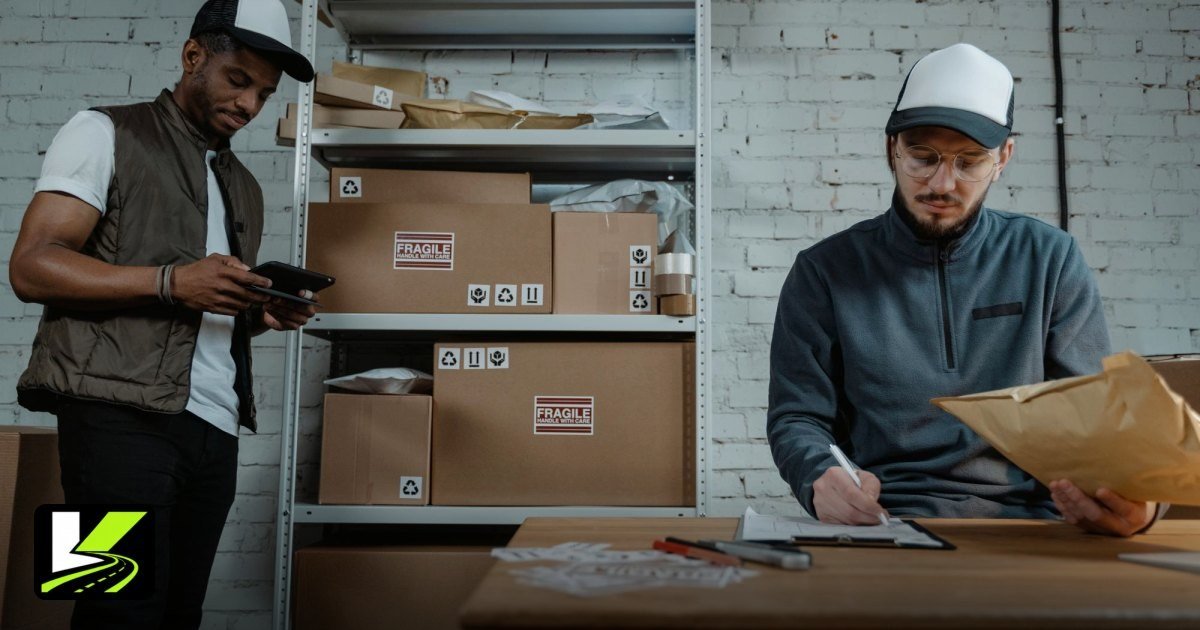
The transition from a home-based boutique to an established online brand in the UAE rarely begins with a sleek corporate office. It begins when inventory spills out of a spare bedroom closet, stackable plastic containers crowd the hallway, and your dining room table becomes a permanent packing station. For independent merchants selling on Instagram, WhatsApp, or custom web storefronts across the Emirates, storing stock at home is an efficient, zero-cost way to validate a business model. However, when order volumes scale past 15 to 30 shipments a month, physical storage limitations quickly turn into operational bottlenecks. Lost items, misplaced stock, hours spent folding custom boxes, and the sheer clutter of retail inventory in your living space create friction that holds back sales growth. Navigating modern micro fulfilment Dubai solutions becomes less about chasing enterprise trends and more about reclaiming your personal space and daily productivity.
The core dilemma for small UAE merchants scaling between 5 and 150 orders per month comes down to a clear operational choice: should you keep managing stock in a spare room, lease a self-storage unit, hand inventory over to a third-party logistics (3PL) provider, or store items in a bulk mover warehouse? Each option comes with distinct financial commitments, manual labour requirements, and legal licensing considerations within the UAE. Making an informed decision requires looking past slick marketing claims and analysing the raw mathematics of cubic-metre storage costs, pick-and-pack fee structures, and how your dispatch model connects with your storage location.
What micro fulfilment actually means in Dubai
In standard logistics terminology, a micro-fulfilment centre (MFC) is a compact, highly efficient facility—typically ranging from 3,000 to 10,000 square feet—sited in dense urban areas close to end consumers. The sole purpose of an MFC is to shrink the physical distance between stored inventory and buyers, enabling rapid same-day or next-day order prep and dispatch. A prime enterprise example in the UAE is Majid Al Futtaim's automated micro-fulfilment facility at the Carrefour in Ibn Battuta Mall, Dubai, developed in partnership with Takeoff Technologies. That facility uses robotics to pick online grocery orders in minutes from inside a retail footprint, demonstrating how the model functions at enterprise scale.
For small, independent online merchants, the conversation surrounding micro fulfilment Dubai options is fundamentally different. You do not need to lease, build, or automate a 5,000-square-foot facility. Leasing dedicated commercial real estate at that scale in urban Dubai carries immense capital expenditure and long-term overhead. What small sellers actually need is access to a fractional slice of existing storage and order prep infrastructure. Today, aggregator platforms and tech-enabled logistics providers allow small and medium enterprises (SMEs) to buy micro-fulfilment capacity on demand across Dubai, Sharjah, Abu Dhabi, and key free zones like JAFZA and KIZAD without signing long commercial leases.
Understanding how micro fulfilment Dubai operates in practice helps small sellers distinguish between simple stock holding and active fulfilment. Stock holding merely gives your boxes a roof; micro-fulfilment actively receives, stores, picks, packs, and prepares your orders for courier dispatch within hours of a customer placing an order online.
The four options, honestly compared
When reviewing where to hold inventory and how to prep customer shipments, small online sellers in the UAE generally evaluate four core models. The ideal fit depends on your SKU count, daily order volume, physical product size, and how much personal manual labour you are willing to invest each afternoon.
| Option | Typical cost | You still do | Best when |
|---|---|---|---|
| Home Spare Room | AED 0 direct rent (absorbed in home lease) | Everything: receiving stock, inventory counts, manual pick-and-pack, courier handovers. | Doing 5 to 30 orders per month with compact products and low SKU counts. |
| Self-Storage Unit | AED 199–1,500+ per month depending on footprint and access tier | Travel to unit, pick and pack items on-site, label packages, coordinate courier pickups. | Doing 30 to 80 orders per month with high stock volume that overflows residential space. |
| Mover Warehouse Storage | AED 25–40 per CBM per month based on actual volume | Pick and pack items yourself (if allowed site access) or retrieve stock batches to pack at home. | Holding bulk seasonal stock or slow-moving reserve inventory without daily retail order prep. |
| Full 3PL Fulfilment | AED 85–120 per CBM storage + AED 11–55+ per order operational fees | Manage online product listings, customer service, and digital order flow; 3PL handles physical prep. | Doing 80 to 150+ orders per month with standardised packaging and scalable order flow. |
Evaluating micro fulfilment Dubai options through this comparative framework prevents sellers from jumping directly into expensive multi-year logistics commitments before their daily order volumes justify the monthly operational overhead.
Why self-storage looks cheap and usually is not
Self-storage facilities across Dubai heavily advertise low entry pricing, making them attractive to home sellers who are drowning in stock boxes. Small personal storage units measuring 25 to 50 square feet run roughly AED 199 to AED 450 per month in researched planning ranges, with promotional teasers occasionally starting around AED 99 per month. Dedicated business storage plans generally begin near AED 149 per month. For medium-sized e-commerce operations requiring 5 to 15 square metres of dedicated space, actual rental rates run roughly AED 300 to AED 1,500 per month depending on facility location, climate control, and accessibility features.
However, published headline rates rarely cover the complete expense of running an e-commerce operation out of a self-storage facility. Merchants must account for a standard list of mandatory operational extras:
- Refundable security deposit: Usually equivalent to one full month of rental charges upfront.
- Security locks: Specialised padlocks cost roughly AED 30 to AED 80.
- Mandatory contents insurance: Protects stored stock, typically adding AED 25 to AED 100 per month.
- Value Added Tax (VAT): Standard 5% VAT applied to all rental invoices.
- Initial stock transfer: Professional van transport to move inventory from home to the facility costs roughly AED 150 to AED 500 per trip.
Beyond administrative add-ons, self-storage proves financially inefficient when analysed on a volumetric basis. Bulk warehouse storage with a moving firm runs roughly AED 25 to AED 40 per cubic metre (CBM) per month, billed strictly on actual volume stored. Professional 3PL fulfilment warehousing runs roughly AED 85 per CBM per month for dry storage and about AED 120 per CBM for climate-controlled space. When calculated strictly per CBM, self-storage is frequently three to four times more expensive than dedicated mover or 3PL warehouse space.
Furthermore, self-storage fails to solve the physical operational burden. When utilising micro fulfilment Dubai self-storage setups, you remain responsible for driving through daily city traffic to your storage locker, manually searching shelves for ordered SKUs, assembling boxes, applying address labels, and waiting in facility loading bays for your scheduled courier to arrive. You have simply shifted your packing table from your dining room to an unheated industrial corridor.
What a 3PL actually charges you for
Outsourcing your order prep to a professional third-party logistics provider transfers physical stock handling entirely off your shoulders. In the UAE market, total 3PL fulfilment expenses typically range from AED 11 to AED 55+ per order. This total figure varies widely based on product dimensions, storage climate requirements, order item count, packaging complexity, and final delivery destination. To avoid unexpected invoices, sellers must insist on a fully itemised cost structure before transferring inventory.
A transparent 3PL commercial quotation breaks fees down into clear operational buckets:
- Inbound receiving: Fees charged to offload, inspect, count, and log incoming stock shipments into warehouse inventory systems.
- Storage fees: Billed monthly per pallet space or per shelf bin. Bin storage suits small, lightweight items like cosmetics or jewellery; pallet spaces suit bulk apparel or heavy goods.
- Per-order pick-and-pack: Structured either as a flat fee per order plus a small per-item charge, or tiered based on order volume. Some 3PLs include picking the first item free and bill only for additional items in the same shipment.
- Packaging supplies: Charges for standard brown boxes, flyer bags, bubble wrap, or custom branded inserts if supplied by the warehouse. Refer to our detailed guide on e-commerce packaging techniques for advice on material selection.
- Outbound dispatch: Charges for transferring packed orders to carrier networks, calculated by volumetric weight and destination zone.
- Returns handling: Processing returned parcels, checking items for damage, repackaging clean items, and updating real-time stock balances.
- Minimum monthly spend: Contractual minimum fees required by the facility regardless of actual order volume processed.
One financial advantage of an established 3PL is carrier rate pooling. Because third-party warehouses consolidate volume from dozens of online merchants, they negotiate deeply discounted shipping rates with commercial couriers—savings that an independent seller shipping 30 parcels a month cannot secure on their own.
The questions that expose a bad quote
When examining micro fulfilment Dubai pricing models offered by third-party logistics companies, vague proposals often conceal operational surcharges. Ask every potential 3PL provider these explicit questions before signing an agreement:
- What is your exact minimum monthly spend or minimum volume requirement?
- How do you bill storage space—per cubic foot, per shelf bin, or per standard pallet position?
- Is climate-controlled air conditioning included in the base storage rate, or billed as a premium surcharge?
- What is the base fee for picking an order with one item, and what is the exact cost per additional SKU added to that order?
- Do you charge extra fees for receiving loose carton stock versus wrapped, palletised incoming shipments?
- How are returned customer packages processed, inspected, and restocked, and what is the exact fee per returned item?
- What specific management software or API integrations do you use, and are there monthly integration platform fees?
Working out your own break-even
Deciding when to transition from home storage to paid professional fulfilment requires analysing your operational unit economics. Consider a practical scenario: an independent apparel seller operating out of Dubai processes roughly 60 orders per month, with an average of 1.5 items per parcel.
If this seller packs orders at home, their direct storage overhead is AED 0. However, operational math must account for hidden costs. Buying packaging materials independently in small quantities averages roughly AED 5 per box including protective wrap and labels. More importantly, processing 60 orders—including stock organisation, picking items, box assembly, taping, labelling, and managing courier handovers—takes roughly 30 hours of manual labour every month. Even if an entrepreneur values their operational time conservatively at AED 50 per hour, home order prep represents AED 1,500 in unbilled personal labour alongside AED 300 in raw packaging materials, creating an effective internal operational cost of AED 1,800 per month (roughly AED 30 per order spent on prep and packing labour alone, before outbound courier fees).
If that same merchant moves to a 3PL fulfilment model, their cost structure shifts to clear, predictable line items. Holding roughly two cubic metres of apparel inventory in dry warehouse storage at about AED 85 per CBM runs roughly AED 170 per month. Pick-and-pack operational fees for 60 orders (including standard mailer bags) run approximately AED 12 per order, totalling AED 720. Inbound receiving fees for monthly inventory top-ups add around AED 100. Total monthly fulfilment cost comes to roughly AED 990. Outbound courier charges sit on top of that figure, exactly as they do in the home-packing case, which is why both sides of this comparison exclude them.
In this working example, transferring inventory to a 3PL saves the merchant over 30 hours of physical packing work every month while lowering total operational overhead compared to the true value of their invested personal time. Analysing your metrics for micro fulfilment Dubai transition points ensures you delegate physical packing exactly when your personal time is better spent on marketing, sourcing, and customer acquisition.
Free zone and mainland storage constraints
Before transferring stock into any commercial storage facility across the UAE, small online business owners must ensure their physical inventory arrangements strictly align with their legal business licence. Licensing authorities enforce distinct operational boundary rules that dictate where commercial stock may legally be stored and processed.
Residential lease contracts and local municipal regulations across the UAE generally prohibit using residential apartments or villas for commercial stock warehousing at scale. While home-based business licences permit desk-based work, storing large volumes of commercial inventory in residential buildings violates building safety and municipal zoning codes.
Furthermore, free zone business licences (issued by authorities like IFZA, Meydan, or DAFZA) generally tie commercial warehousing activities directly to the specific free zone domain where the licence was issued. Holding stock inside mainland Dubai commercial property or utilising mainland 3PL facilities while operating under certain free zone licences requires specific operational permits or third-party distribution agreements. Always consult directly with your corporate licensing authority or legal service provider to confirm that your chosen storage facility complies with your company's jurisdiction setup.
Where delivery fits after storage
Choosing where to store your inventory solves only half of your operational equation. Storage decisions determine where your physical stock sleeps; delivery coordination determines whether your customer receives their purchase today. Seamless fulfilment relies entirely on an efficient outbound delivery workflow. For a comprehensive overview of local shipping strategies, read our detailed delivery guide for UAE small sellers.
This critical operational boundary is where Koriyar fits into your business structure. Koriyar is a specialised delivery coordination service. Koriyar is not a fulfilment centre, does not store product inventory, and does not perform pick-and-pack services. Instead, Koriyar acts as the reliable outbound delivery engine that operates directly after your storage leg is completed. Whether you keep stock in a spare bedroom, pick parcels yourself from a local self-storage locker, or retrieve packed orders from a commercial storage site, Koriyar coordinates rapid same-day order pickup and delivery across Dubai, Sharjah and Ajman only. Managing flexible payment options is equally critical during dispatch; review our guide on handling cash on delivery in the UAE to streamline your customer collections.
By separating your delivery partner from your static storage location, you maintain complete operational agility. You can change your storage model from a home closet to a dedicated locker or a mover warehouse without changing your customer-facing courier service. Koriyar collects your packed parcels directly from your designated address in Dubai, Sharjah or Ajman and delivers them to your customer's doorstep on the same day, keeping your brand fast, professional, and consistent. (Note that shipments headed to Abu Dhabi or other outside emirates fall outside Koriyar's dedicated coverage area and require alternative long-distance freight arrangements; see our dedicated Dubai, Sharjah and Ajman delivery coverage guide for exact service boundaries).
Making the call
Selecting the right micro fulfilment Dubai strategy requires aligning your physical storage model directly with your current order volume, product dimensions, and available growth capital. Use these operational guidelines to select your next move:
- 5 to 30 orders per month: Keep inventory at home. Focus all available capital on marketing, customer acquisition, and brand building. Use free or low-cost home storage while standardising your box sizes and packing workflows.
- 30 to 80 orders per month: If home clutter threatens your daily living space, evaluate a small self-storage unit or a mover bulk-storage contract for excess inventory. Continue packing orders yourself, or set up a hybrid system where bulk reserve stock stays in low-cost storage while active weekly inventory remains at home. Make sure to prepare your inventory system early when planning for peak season logistics in the UAE.
- 80 to 150+ orders per month: Shift to professional 3PL micro-fulfilment. At this volume, your personal time spent folding boxes, taping parcels, and managing stock counts actively limits your business growth. Outsourcing inventory prep frees up dozens of hours every month while giving your store access to negotiated carrier networks and professional warehouse handling.