
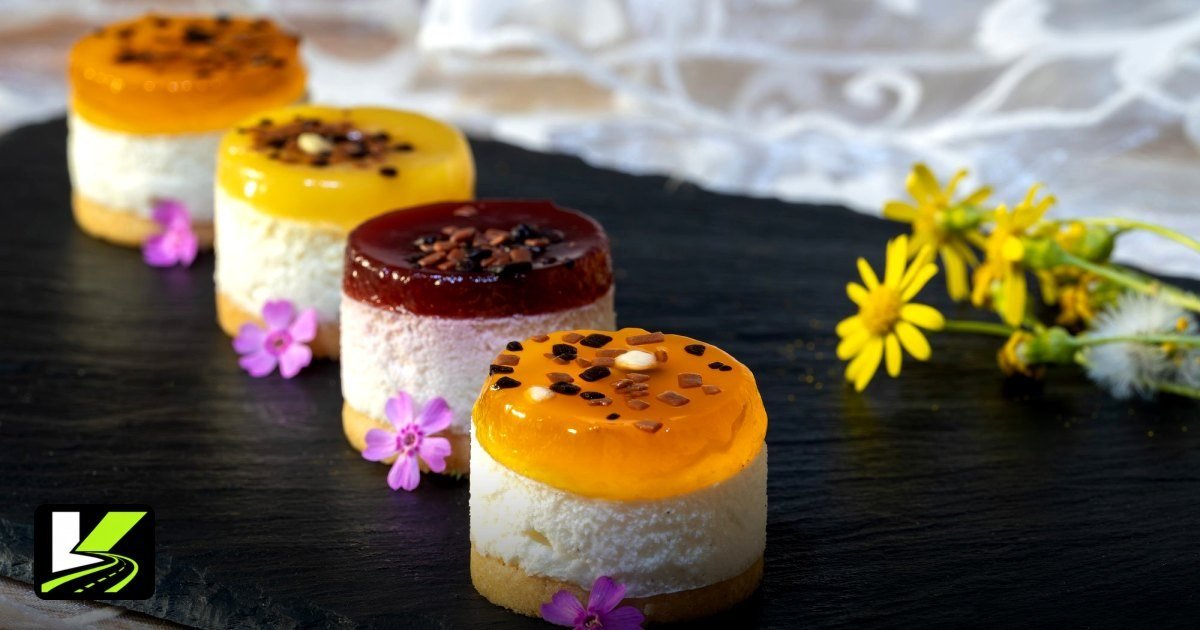
Delivering cakes and cupcakes in the scorching summer months of the UAE can feel like a high‑stakes juggling act. The heat, combined with the rapid pace of same‑day parcel delivery, means that every baker‑turned‑seller must think ahead about how to protect delicate confections from melting, drying out or becoming soggy during transit.
Understanding the UAE Summer Challenge for Cake Delivery
The United Arab Emirates experiences summer temperatures that regularly climb above 40 °C (104 °F), with humidity levels that can fluctuate dramatically between the coastal areas of Dubai, Sharjah and Ajman. These conditions create three primary risks for baked goods in transit:
- Heat‑induced softening: Butter‑based frostings, ganache and cream cheese toppings become pliable and may slide off the cake surface if exposed to sustained high temperatures.
- Moisture loss: Dry, arid air can cause sponge layers to dry out, leading to a crumbly texture that is far from the moist bite customers expect.
- Condensation: When a warm parcel is moved into a cooler environment (for example, an air‑conditioned delivery van), moisture can form on the cake’s surface, encouraging sogginess or even mould growth if the cake sits for an extended period.
Riders on Koriyar’s network typically complete a same‑day delivery within a few hours, but the journey can involve multiple hand‑overs, brief stops in traffic, and exposure to direct sunlight while waiting at pick‑up points. Understanding the timeline is essential: a cake that spends even 30 minutes in direct sun can see its internal temperature rise by several degrees, accelerating the melting of delicate decorations.
Another factor to consider is the type of vehicle used. While most riders travel in climate‑controlled vans, occasional use of motorbikes or small utility vehicles means that the outer packaging must provide an extra layer of insulation. The goal is to create a micro‑climate around the cake that remains as stable as possible, regardless of the external environment.
Finally, the size and shape of the cake influence how heat penetrates. A tall, multi‑tiered cake presents a larger surface area and more internal layers that can trap heat, whereas a flat sheet cake or a tray of cupcakes distributes heat more evenly but may be more vulnerable to surface melting. Planning the packaging strategy around these physical characteristics helps to mitigate the risks outlined above.
Choosing the Right Packaging Materials for Heat Protection
When it comes to safeguarding cakes from the UAE summer, the choice of packaging material is as crucial as the design of the cake itself. Below is a comparison of the most effective options currently used by small online sellers in Dubai, Sharjah and Ajman.
| Material | Heat Insulation | Moisture Control | Ease of Use |
|---|---|---|---|
| Corrugated Cardboard with Thermal Liner | High – double‑wall construction plus reflective foil reduces temperature rise by up to 5 °C. | Moderate – includes a vented inner sleeve to allow limited airflow. | Simple – can be folded and sealed with tape; widely available. |
| Expanded Polystyrene (EPS) Foam Boxes | Very High – excellent barrier to heat, maintains internal temperature for several hours. | Low – traps moisture; requires an additional desiccant packet. | Heavier and bulkier; may need a larger delivery bag. |
| Reusable Insulated Cooler Bags | Medium – insulated lining slows heat transfer but is less effective than rigid foams. | High – often includes a breathable inner lining that prevents condensation. | Reusable; ideal for frequent sellers but requires cleaning. |
| Biodegradable Plant‑Based Insulators | Low to Medium – newer products offer modest heat protection. | High – natural fibres absorb excess moisture. | Eco‑friendly; may need extra structural support. |
For most small‑scale sellers, a combination of corrugated cardboard with a thermal liner and a thin layer of food‑grade silicone mat under the cake provides a balanced solution. The cardboard offers structural rigidity and a barrier against direct sunlight, while the thermal liner reflects radiant heat. The silicone mat prevents the cake from sticking to the box and adds a slight cushion against vibrations during the ride.
In addition to the primary container, consider these supplementary accessories:
- Ice‑gel packs: Place a single, well‑wrapped gel pack on the side of the box (never directly against the cake) to absorb excess heat. Use packs that stay cool for at least three hours to match typical delivery windows.
- Desiccant sachets: Small silica‑gel packets placed in a corner of the box help to control humidity, especially when using EPS containers.
- Ventilation slots: If using a sealed cardboard box, cut small, strategically placed vents near the top to allow hot air to escape without exposing the cake to direct airflow.
Finally, wrap the cake itself in a breathable, food‑safe film such as cling‑wrap or a lightly greased parchment paper. This layer protects the frosting from direct contact with the box while allowing any residual moisture to evaporate, reducing the risk of sogginess. For cupcakes, arrange them in a single layer on a sturdy tray, cover with a clear dome, and then place the tray inside the insulated box.
By selecting the right combination of materials and adding a few simple accessories, sellers can confidently promise that their cakes and cupcakes will arrive fresh, visually appealing and ready to be enjoyed, even when the UAE sun is at its fiercest.
Step‑by‑Step Packing Process for Cakes and Cupcakes
Start by selecting a sturdy, food‑grade box that is just a size larger than the cake or cupcake tray. Corrugated cardboard with a double‑wall construction works well in the UAE summer because it provides an extra barrier against heat and accidental crushing. Place a thin sheet of parchment paper on the bottom of the box; this prevents the base of the cake from sticking to the cardboard and adds a modest layer of insulation.
Next, wrap the cake or cupcakes individually. For a single‑layer cake, lay a sheet of cling film tightly around the sides, making sure there are no gaps at the corners. For tiered cakes, wrap each tier separately before stacking them with a thin layer of non‑stick parchment between each level. Cupcakes should be placed in a reusable plastic cupcake carrier or a cardboard cupcake box; then cover the whole carrier with a second layer of cling film.
Once the primary wrap is in place, add an insulating layer. A sheet of insulated foil or a lightweight thermal blanket (often sold in bakery supply stores) should be folded around the wrapped cake, covering the top, sides and bottom. Secure the blanket with a few strips of heat‑resistant tape – avoid using regular adhesive tape directly on the cake surface.
Now create a cushioning cradle inside the outer shipping box. Cut strips of bubble wrap or biodegradable packing peanuts to line the bottom, sides and lid of the box. The goal is to create a “sandwich” where the insulated cake sits in the centre, surrounded by at least 2‑3 cm of cushioning on all sides. For cupcakes, position the carrier in the centre of the box and fill any remaining voids with the same cushioning material.
Finally, seal the outer box. Close the lid and reinforce the seams with packing tape, applying at least three strips horizontally and three vertically. Write the delivery address clearly in both Arabic and English, and affix a “Fragile – Keep Upright” label in a prominent position. For added protection against the summer sun, place a small, reusable heat‑reflective sticker on the outside of the box; riders will recognise it and handle the parcel with extra care.
Before handing the parcel to the rider, give it a quick visual check: the cake should be level, the cling film taut, the insulation snug, and the outer box sealed without any loose flaps. A well‑packed cake will stay fresh, stable and visually appealing even when the temperature climbs above 40 °C.
Securing the Package for Rider Handling
Riders in Dubai, Sharjah and Ajman face a unique mix of high temperatures, occasional sandstorms and bustling traffic. To ensure your cake arrives intact, the package must be secured not only against heat but also against the motions of a fast‑moving motorbike or van.
- Use a non‑slip base. Place a thin rubber mat or a piece of non‑slip shelf liner at the bottom of the delivery bag or vehicle compartment. This prevents the box from sliding when the rider brakes sharply.
- Employ a strap‑down system. Most rider bags have built‑in D‑rings or Velcro loops. Thread a sturdy strap through the centre of the outer box and fasten it to the bag’s anchor points. Tighten the strap so the box cannot shift, but leave a small amount of give to absorb bumps.
- Position the parcel upright. Cakes are most vulnerable when tilted. Place the box against the back wall of the bag, with the “Keep Upright” label facing the rider. If the bag is a hard‑sided cooler, rest the parcel on the lower shelf and secure it with a second strap across the top.
- Shield from direct sunlight. Even inside a bag, sunlight can penetrate through gaps. Cover the exterior of the bag with a reflective sunshade or a light‑coloured blanket. This reduces the internal temperature by several degrees, helping to preserve frosting and fillings.
- Monitor humidity. The UAE summer can be humid, especially near the coast. Include a small silica‑gel packet inside the outer box (away from the cake surface) to absorb excess moisture. Replace the packet after each delivery run.
When the rider receives the parcel, they should be instructed to place it gently into the secured position and avoid stacking other heavy items on top. A quick verbal reminder—“keep this upright and don’t stack” —goes a long way in preventing accidental crushes.
Finally, conduct a brief “shake test” before departure. Hold the sealed box in one hand and give it a gentle shake; you should feel no movement of the inner insulated wrap or the cake itself. If you detect any rattling, add a few more pieces of bubble wrap or adjust the strap tension. By following these securing steps, you give your cakes and cupcakes the best chance of arriving fresh, beautiful and ready to be enjoyed, even under the intense UAE summer heat.
Using Insulated Boxes and Cool Packs Effectively
Summer in the UAE can push temperatures well above 40 °C, and the heat can turn a beautifully decorated cake into a soggy disappointment within minutes. The first line of defence is a high‑quality insulated box. Look for a double‑wall construction with a reflective inner lining; this combination slows heat transfer and protects delicate frosting from direct contact with the box’s exterior. When you select a box, check that the interior dimensions leave at least a two‑centimetre gap around the cake – this space is essential for the cool packs to circulate without crushing the product.
Cool packs are the next crucial element, but they must be used correctly to avoid condensation, which can damage buttercream or fondant. Follow these steps:
- Pre‑chill the packs. Store them in a refrigerator for at least four hours before packing. This ensures they are cold enough to absorb heat without freezing the cake.
- Wrap each pack in a thin, breathable paper. A single layer of parchment or kraft paper prevents direct moisture transfer while still allowing the pack to release cold air.
- Position the packs strategically. Place one pack on each side of the cake and a third on top, if the box height permits. The goal is to create a “cold envelope” that surrounds the cake from all sides.
- Seal the box tightly. Use strong packing tape on all seams and reinforce the lid with a second strip of tape. A snug seal stops hot air from infiltrating and keeps the internal temperature stable.
For cupcakes, the approach is similar but slightly more forgiving. Because each cupcake is individually supported, you can use a shallow tray lined with parchment, then cover the tray with a thin layer of bubble wrap before placing it inside the insulated box. One or two cool packs, positioned at opposite ends of the tray, are usually sufficient for a dozen cupcakes.
Finally, consider the timing of the dispatch. Even with the best insulation, a cake left in a hot warehouse for an extended period will warm up. Schedule the pick‑up so that the rider collects the parcel within the first hour of packing. This practice, combined with insulated boxes and correctly placed cool packs, dramatically reduces the risk of melting frosting, collapsed tiers, or wilted fruit decorations during the sweltering UAE summer.
Labeling, Documentation and Rider Instructions
Clear labelling and precise rider instructions are as important as the physical packaging, especially when temperature‑sensitive items travel across Dubai, Sharjah and Ajman in a single day. Start with a bold, colour‑coded label that reads “FRAGILE – KEEP COOL – PERISHABLE”. Use a heat‑resistant adhesive label that will not peel off when the rider handles the parcel in the sun. The label should be placed on at least two opposite sides of the box so that it is visible from any angle.
Next, attach a simple instruction card for the rider. Keep the language concise and use icons where possible. An effective card might include:
- Do not expose to direct sunlight. A small sun icon with a cross‑line reinforces the message.
- Deliver within 2 hours of pick‑up. This sets an expectation for speed without over‑promising.
- Place the parcel on a flat, shaded surface before handing to the customer. This prevents the rider from stacking the box under heavy items that could crush the cake.
Documentation for the seller should also capture the temperature‑sensitive nature of the order. In the Koriyar dashboard, select the “Cold‑Chain” option when creating the shipment. This flag automatically adds the “keep cool” label and notifies the rider’s app that the parcel requires priority handling. The rider will see a distinct icon on their screen, prompting them to store the box in the insulated compartment of the delivery bike or van.
When the rider arrives at the destination, a short hand‑off note can make a big difference. Encourage sellers to greet the customer and briefly explain that the cake has been kept in a cool environment and should be opened within a short window to maintain freshness. A courteous reminder such as “Please open the box now to enjoy the cake at its best” helps manage expectations and reduces the chance of the customer leaving the parcel in a hot hallway.
Finally, keep a record of any temperature‑related incidents in the post‑delivery feedback form. This data helps Koriyar refine its routing algorithms and informs sellers about best‑practice adjustments for future summer shipments. By combining clear labelling, precise rider instructions and diligent documentation, you create a seamless chain that protects your cakes from the harsh UAE heat right up to the moment they reach the buyer’s door.
Verdict: Best Practices for Safe Summer Cake Delivery
Delivering cakes and cupcakes in the scorching summer months of the UAE demands a blend of practical preparation and thoughtful packaging. The heat in Dubai, Sharjah and Ajman can easily push ambient temperatures above 40 °C, and a rider’s journey – even on a short‑range, same‑day route – can last anywhere from 15 to 45 minutes. To preserve the visual appeal, texture and flavour of your baked goods, follow these proven steps that balance protection, ventilation and temperature control.
First, always start with a sturdy base. Use a rigid, insulated cake board or a double‑layered cardboard tray that fits the cake snugly. This not only prevents the cake from shifting but also creates a thermal barrier that slows heat transfer. For cupcakes, a compartmentalised tray with individual wells is ideal; it keeps each cupcake upright and reduces the risk of frosting smudges caused by movement.
Second, consider the frosting type. Butter‑cream and fondant are more tolerant of brief temperature spikes than whipped or cream‑cheese based toppings, which can soften or melt quickly. If you must ship delicate frostings, apply a thin “seal” layer of chocolate ganache or a light dusting of cocoa powder; this acts as a protective skin that resists moisture loss and heat‑induced softening.
Third, wrap the cake or cupcakes in a breathable yet protective film. A double layer of parchment paper, followed by a stretch‑wrap that is not airtight, allows excess steam to escape while shielding the surface from direct sunlight. Avoid cling film that traps humidity, as this can cause soggy frosting and a compromised crumb structure.
Fourth, place the wrapped product inside a corrugated shipping box that is slightly larger than the cake board. Fill any voids with eco‑friendly packing peanuts, crumpled kraft paper or reusable silicone inserts. This cushioning absorbs shocks from the rider’s handling and prevents the cake from sliding against the box walls.
Finally, add a cooling element without risking condensation. A small, reusable gel pack wrapped in a thin towel can lower the internal temperature by a few degrees for the duration of the ride. Position the pack against the side of the box rather than directly under the cake to maintain airflow.
- Use insulated cake board or double‑layered cardboard tray.
- Choose heat‑stable frosting; add a protective ganache seal if needed.
- Wrap with parchment + breathable stretch‑wrap; avoid airtight cling film.
- Insert into a slightly larger corrugated box; fill gaps with packing peanuts or kraft paper.
- Include a wrapped gel pack positioned on the side, not beneath the cake.
- Label the box “Handle with Care – Keep Cool” for rider awareness.
By integrating these steps, small online sellers can confidently promise that their cakes and cupcakes will arrive in pristine condition, even under the relentless UAE summer sun. The combination of sturdy support, appropriate frosting choices, breathable wrapping, effective cushioning and modest cooling ensures that the rider’s journey does not compromise the quality of your baked delights.
Frequently Asked Questions
What type of box is best for shipping cakes in the UAE summer?
A sturdy, double‑wall corrugated box with a snug inner tray keeps the cake stable and adds a layer of insulation against heat.
Do I need to use ice packs when sending cupcakes?
Yes, a small, food‑grade gel pack placed alongside the cupcakes helps maintain a cool temperature without causing condensation.
How can I prevent a cake from sliding during rider transport?
Wrap the cake tightly in cling film, then secure it with a non‑slip mat or cardboard inserts before placing it in the box.
Is it necessary to label the package as ‘fragile’ in Dubai?
Labeling as ‘fragile’ and ‘keep cool’ alerts the rider to handle the parcel gently and store it out of direct sunlight.
Can I use a regular insulated bag instead of a box?
An insulated bag offers some protection, but a rigid box provides the structural support needed for cakes and cupcakes during the ride.